
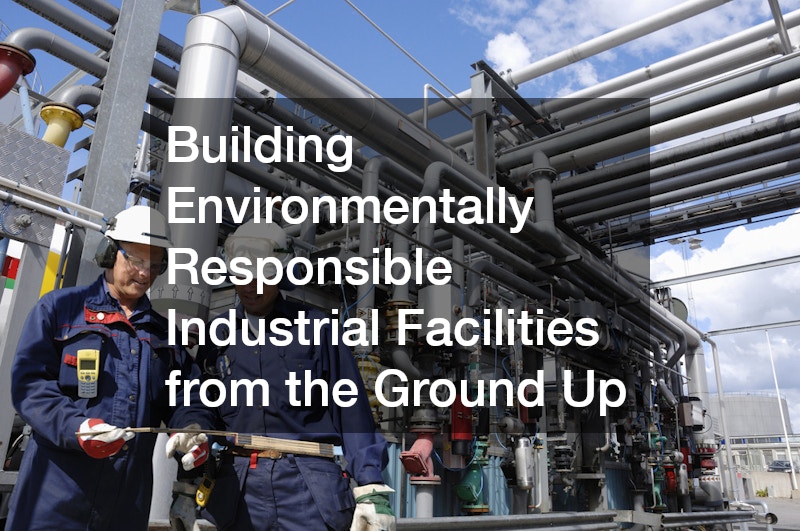
The modern industrial landscape is undergoing a profound paradigm shift. Historically, industrial development was synonymous with environmental degradation, resource depletion, and high carbon footprints. Today, the convergence of stringent regulatory frameworks, shifting consumer expectations, and a pressing global climate crisis demands a complete overhaul of how we design, construct, and operate production facilities. Building an environmentally responsible industrial facility from the ground up requires looking beyond standard efficiency metrics. It demands an integrated lifecycle approach—one that spans structural engineering, localized resource circularity, highly specialized environmental testing, and advanced mechanical maintenance. By embedding sustainability into the very blueprint of an industrial plant, modern enterprises can achieve operational excellence while minimizing their ecological footprint.
1. Structural Blueprinting and Low-Carbon Materials
The journey toward an environmentally responsible industrial facility begins long before the first piece of machinery arrives on site. The foundational phase offers the most critical opportunity to mitigate embodied carbon—the greenhouse gas emissions associated with the manufacturing, transportation, and assembly of building materials.
Traditional industrial construction relies heavily on standard carbon-intensive concrete and traditional metallurgy. To counteract this, forward-thinking civil engineers are prioritizing advanced alternatives. Integrating high-recycled-content structural steel into the building framework serves as a cornerstone for sustainable design. This material offers the same load-bearing capacity and resilience as its virgin counterpart but requires a fraction of the energy to produce, effectively locking in lower carbon metrics from day one. By prioritizing metals sourced from electric arc furnaces powered by renewable grids rather than traditional blast furnaces, developers can radically depress the initial carbon debt of the facility. Additionally, pairing these materials with low-carbon concrete alternatives—such as mixes incorporating fly ash, slag, or carbon-injection technologies—permanently sequesters carbon dioxide within the facility’s foundational slabs and columns, establishing a truly progressive baseline for industrial architecture.
Beyond the skeletal framework, the architectural design must account for spatial optimization and thermal efficiency. Reducing the overall physical footprint of the building through multi-story layouts or flexible modular designs minimizes land disturbance and preserves local biodiversity. Furthermore, incorporating high-performance insulation, reflective roofing materials, and passive solar orientation drastically reduces the energy demand required to regulate internal temperatures, creating a highly efficient envelope that protects both the assets inside and the environment outside.
Architects are leveraging generative design software to simulate local weather patterns, allowing them to position window placements and thermal masses to optimize natural daylighting while avoiding excessive solar heat gain. This thoughtful orientation reduces the mechanical load on industrial HVAC systems. On the roof, advanced cool-roof coatings and intensive green roof installations work to eliminate the heat island effect, which typically plagues large manufacturing sectors. These integrated roofing systems also assist in natural stormwater retention, filtering rainwater naturally before it exits the property. By viewing the building envelope as an active, eco-efficient ecosystem rather than a passive shelter, the facility inherently minimizes its operational strain on localized resources, securing long-term sustainability from the ground up.
2. Renewable Integration and Natural Resource Management
A truly green facility must move away from a total reliance on centralized, fossil-fuel-powered grids. Integrating on-site renewable energy generation is a practical and economically viable method to achieve net-zero operational emissions. While solar arrays are common on expansive industrial roofs, tapping into kinetic wind energy offers a highly reliable alternative or complement for facilities located in open, high-yield geographic zones.
Implementing a custom aeration windmill installation allows a facility to harness mechanical or electrical wind power directly for crucial utility tasks. This is particularly effective for on-site water management, such as maintaining ecological balance in stormwater retention ponds or powering secondary wastewater treatment stages. By utilizing direct wind power for fluid movement, facilities reduce their reliance on the main electrical grid for heavy utility operations.
Water stewardship is another pillar of ground-up environmental responsibility. Industrial plants must view water as a circular resource rather than a disposable commodity. Developing robust rainwater harvesting networks, graywater recycling loops, and advanced on-site filtration systems ensures that the facility minimizes its draw on municipal water tables. Zero-liquid-discharge systems can be integrated into the initial plumbing design, ensuring that every drop of water used in industrial processes is purified, reclaimed, and reused within the facility’s internal ecosystem.
3. Designing for Lifecycle and Waste Mitigation
The operational phase of any manufacturing plant inevitably generates waste streams, but an environmentally responsible facility is engineered to capture and repurpose these materials immediately. During the initial design phase, specific zones must be allocated for waste categorization, processing, and localized recovery.
To achieve a true closed-loop system, a facility needs seamless access to specialized machinery capable of processing byproduct materials on site. Partnering with a reliable local recycling equipment service during the design phase ensures that the plant is outfitted with the exact balers, compactors, and shredders required for its specific waste outputs. When industrial scrap, packaging materials, or production clean-outs can be processed instantly on the factory floor, the carbon emissions associated with transporting bulk waste to distant landfills are entirely eliminated.
Furthermore, this proactive approach to waste management opens up opportunities for industrial symbiosis. For example, a facility can collaborate with agricultural equipment operations or regional bioprocessing plants nearby. The organic or mineral-rich byproducts from one industrial process can be transformed directly into valuable inputs for local farming or land cultivation. This interconnected network transforms what was once considered a waste liability into an economic and environmental asset.
4. Advanced Testing and Systems Validation
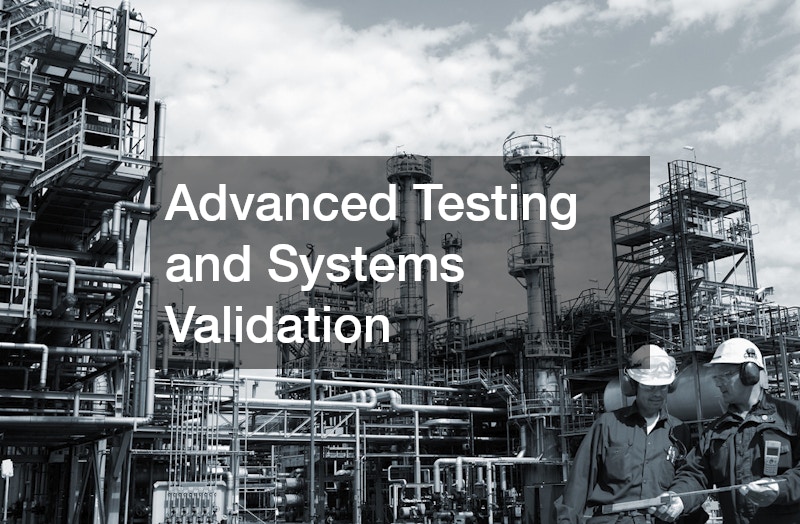
Ensuring that an industrial plant remains environmentally compliant over decades of operation requires a rigorous framework of baseline testing and continuous system validation. Environmental responsibility cannot be assumed; it must be measured, audited, and verified using sophisticated diagnostics.
During the commissioning phase, engineers must deploy a diverse array of environmental test equipment services to calibrate the facility’s emission monitors, evaluate indoor air quality, and verify effluent filtration efficiency. These specialized diagnostic services ensure that the factory’s scrubbers, thermal oxidizers, and particulate filters are operating at peak mitigation efficiency before commercial production ever begins. By establishing these precise, data-driven baselines early on, plant managers can accurately track performance degradation over time and implement predictive maintenance schedules. This prevents minor equipment inefficiencies from escalating into catastrophic compliance failures or unexpected atmospheric venting events. Furthermore, continuous integration of advanced continuous emissions monitoring systems (CEMS) allows the facility to stream real-time environmental data directly to internal dashboards, fostering total transparency and facilitating rapid, automated responses to any minor fluctuations in air or water quality parameters.
In addition to atmospheric and fluid monitoring, structural integrity and containment validation are paramount, particularly in facilities managing pressurized systems, chemical lines, or gases with high global warming potential. Implementing a regular helium leak detector rental program allows maintenance teams to perform non-destructive, highly sensitive testing across complex piping networks and vacuum systems. Identifying micro-fissures that standard pressure gauges might miss prevents the accidental release of volatile organic compounds or greenhouse gases into the atmosphere, ensuring a completely sealed and compliant production environment. Opting for a flexible equipment rental model ensures that the plant always has access to the latest, most highly calibrated mass spectrometer technology without the burden of long-term asset depreciation and maintenance costs. Technicians can execute comprehensive sniffer probe testing during scheduled turnarounds, isolating ultra-small leak rates down to fractions of a cubic centimeter per second. This ultra-precise diagnostic vigilance is especially crucial for vacuum furnaces, bioreactors, and high-pressure gas manifolds, where even a microscopic failure in a gasket or weld could lead to prolonged fugitive emissions. Ultimately, weaving these rigorous testing protocols into the operational fabric of the facility ensures that environmental stewardship remains an verifiable, ongoing metric rather than a temporary design milestone.
5. Heavy Logistics and Eco-Friendly Equipment Deployments
The physical assembly of an industrial plant involves moving thousands of tons of heavy machinery. If executed without environmental foresight, the logistics phase can result in massive carbon expenditures, soil compaction, and local ecological disruption.
The selection of logistics partners is a critical variable in this equation. Entrusting the installation of heavy machinery to certified industrial machinery movers who utilize modern, low-emission, or fully electric rigging fleets drastically reduces the localized pollution associated with construction. These specialized teams utilize precision planning algorithms to minimize vehicle idling times and optimize crane movements, ensuring that heavy equipment—from massive press brakes to industrial blending vats—is positioned safely with minimal energy expenditure. Beyond just emission reductions, these experts deploy advanced matting systems and specialized load-distribution techniques to protect the local topsoil, preventing the severe soil compaction that can permanently destroy regional drainage patterns and native plant roots. By integrating eco-conscious rigging strategies, the construction footprint is significantly contained, ensuring the surrounding landscape remains viable.
This phase is also where the facility’s specific manufacturing apparatus is integrated. For instance, if the plant is designed for specialized food, pharmaceutical, or chemical processing—such as facilities housing major lecithin manufacturers—the production lines must be calibrated for maximum yield and minimum waste. The installation of these intricate processing systems requires absolute precision to guarantee long-term resource efficiency. The equipment must feature clean-in-place systems that reduce chemical and water consumption during sanitization cycles, ensuring that the specialized processing of complex organic compounds does not result in an excessive environmental burden on local treatment infrastructure.
Furthermore, modern installation protocols emphasize the integration of closed-loop recovery lines right at the machine interface. This means that any raw material overflows, thermal energy losses, or early-stage manufacturing byproducts are captured immediately at the point of origin rather than being washed away down the facility’s drains. By engineering these recovery mechanics directly into the initial assembly phase, lecithin and chemical processing plants can drastically curb their biological oxygen demand (BOD) levels in their wastewater. This meticulous calibration during the rigging and deployment phase sets the operational baseline for the facility, turning what could be a highly destructive installation process into a highly structured, low-impact launchpad for future green manufacturing.
6. Sustainable Operations and Ancillary Facility Management
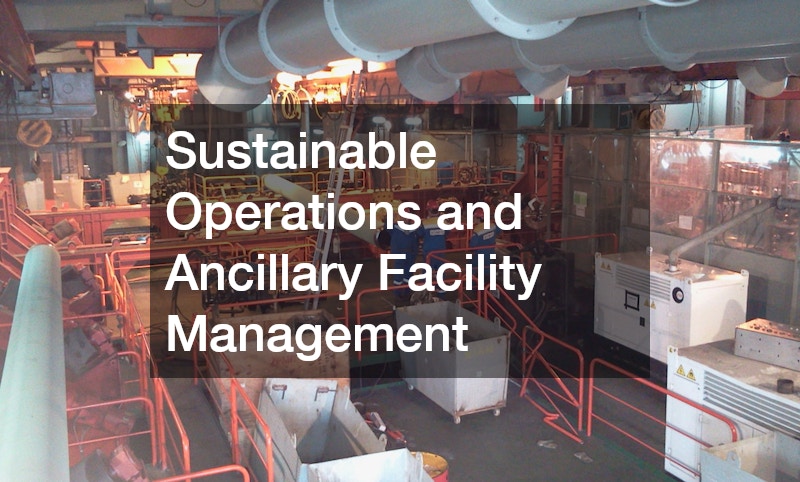
True environmental responsibility extends past the primary manufacturing floor and into the ancillary services, storage hubs, and facility maintenance protocols that support daily operations. Every supporting system must align with the overarching sustainability ethos of the enterprise.
Managing inventory, raw materials, and sensitive components requires strict environmental controls to prevent spoilage and waste. Incorporating high-efficiency climate controlled self storage facilities into the plant’s logistics footprint ensures that temperature-sensitive assets are preserved using minimal energy. These storage zones utilize advanced automated climate regulation, variable-speed HVAC systems, and smart zoning to ensure that energy is only expended where and when it is precisely needed, preventing the bulk disposal of ruined raw materials.
Even routine facility maintenance, such as pest control, must be re-evaluated through an ecological lens. Traditional industrial pest management often relied heavily on broad-spectrum chemical applications that risked contaminating local soil and water runoff. These legacy chemical treatments frequently resulted in the accidental disruption of local biodiversity, introducing toxic synthetic residues into surrounding watersheds and harming non-target wildlife populations. To mitigate these risks, a sustainable facility utilizes advanced Integrated Pest Management (IPM) strategies as a core operational framework. This comprehensive approach prioritizes structural exclusion, biological controls, and non-toxic monitoring techniques to manage wildlife and insect populations without disrupting the surrounding ecosystem, ensuring that the facility coexists harmoniously with its natural environment.
By designing sealing gaps, installing specialized physical barriers, and utilizing smart sensory tracking, facilities can prevent infestations before they begin, drastically reducing the need for emergency chemical interventions. When active management becomes necessary, technicians prioritize targeted, bio-based deterrents and mechanical trapping systems over broadcast chemical spraying. Furthermore, continuous digital monitoring allows facility managers to gather real-time data on pest activity, isolating issues to specific zones and preventing widespread contamination. This shifts the operational paradigm from a reactive, chemically dependent protocol to a proactive, ecologically sound strategy. Ultimately, embedding sustainable practices into routine maintenance ensures that the facility’s external landscape and internal spaces remain safe, clean, and entirely aligned with modern green building standards.
7. The Long-Term Benefits of Green Industrial Design
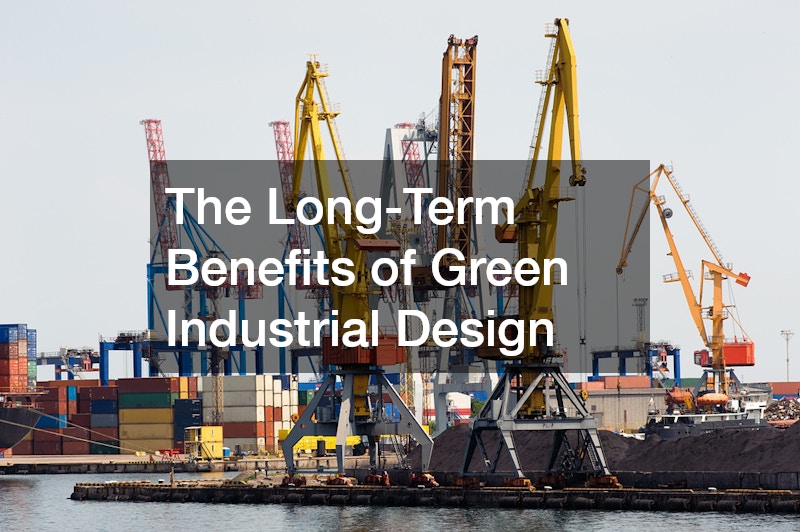
Building a sustainable industrial facility from the ground up demands a higher level of initial planning, cross-disciplinary collaboration, and capital investment than traditional construction. However, the long-term operational, financial, and ecological dividends far outweigh these upfront challenges.
From a financial perspective, facilities engineered for resource circularity and energy efficiency enjoy significantly lower operational costs. As global energy markets fluctuate and water scarcity increases, a plant that generates its own power, recycles its own water, and processes its own waste is inherently more resilient and insulated from external market shocks. Furthermore, as environmental regulations become increasingly stringent worldwide, a green facility is inherently future-proofed against compliance penalties and carbon taxation.
Ultimately, the true value of an environmentally responsible industrial facility lies in its ability to redefine the relationship between human industry and the natural world. By pairing innovative architectural design with advanced testing, sustainable maintenance, and localized resource loops, modern enterprises can prove that industrial progress and environmental stewardship are not mutually exclusive, paving the way for a cleaner, more sustainable industrial future.
