

The hidden costs of deferred maintenance are among the most insidious threats to a growing business. When executives look at their profit and loss statements, they often focus on direct operational expenses, marketing budgets, and payroll. However, the physical infrastructure that houses these operations is quietly degrading day by day. Balancing reactive emergency fixes with strategic, long-term upgrades is an operational nightmare that plagues even the most experienced facility management teams. When facilities fail unexpectedly, businesses face severe downtime, mounting safety liabilities, compromised inventory, and ultimately, lost revenue.
A systematic, proactive approach to inspecting and repairing core infrastructure not only prevents these operational bottlenecks but significantly extends the lifecycle of physical assets. Shifting from a reactive “break-fix” mentality to a predictive maintenance model allows businesses to control their budgets rather than letting emergencies dictate their spending. This transition requires a fundamental shift in how physical spaces are viewed: not as static shelters, but as dynamic, functioning machines that require precise calibration.
To achieve this level of operational excellence, facility managers must break down their maintenance strategy into manageable, trackable sectors. This comprehensive guide will explore the essential strategies for maintaining complex multi-site operations. We will break down facility maintenance into five highly actionable categories: optimizing access points and building envelopes, managing indoor environments and sanitation, fortifying utility grids and power systems, overseeing exterior grounds and water management, and protecting high-impact vehicular infrastructure. By implementing the detailed protocols outlined below, organizations can safeguard their physical footprints, protect their bottom line, and ensure seamless daily operations.
Conduct Quarterly Envelope Audits to Prevent Access Bottlenecks
The building envelope is the first line of defense against the elements and the primary gateway for your operational logistics. For facilities that rely on shipping, receiving, and high-volume material handling, the loading docks and access points are the lifeblood of the business. When these access points degrade, the entire supply chain slows down.
Audit High-Traffic Loading Zones for Structural Fatigue
Mechanical wear and tear at shipping and receiving hubs accelerates rapidly due to the sheer volume of daily activity. Facility managers must conduct rigorous audits of these areas to identify structural fatigue before it causes a complete operational halt. The signs of impending failure are often visible long before a breakdown occurs, provided you know exactly what to look for.
During your quarterly inspections, pay close attention to the tracks, rollers, and tension springs of your overhead doors. Track misalignment often presents as a grinding noise or a slight shudder as the door operates. Tension springs, which bear the immense weight of the doors, show signs of fatigue through slight elongation or rust accumulation. Weather stripping and dock levelers must also be inspected; compromised seals allow conditioned air to escape and pests to enter, while malfunctioning levelers pose severe safety risks to forklift operators.
At a certain point, continuously repairing an aging system becomes mathematically inefficient. Facility managers must conduct a cost-benefit analysis comparing the cumulative cost of temporary patch jobs against the upfront capital expenditure of a full commercial garage door replacement. Modern overhead doors offer superior insulation, faster cycle times, and advanced safety sensors. Upgrading these systems not only eliminates the downtime associated with constant repairs but also improves energy efficiency and warehouse security.
Standardize Condition Tracking Across Your Entire Real Estate Footprint
Managing a single facility requires diligence; managing a portfolio requires a standardized system of data collection. You cannot effectively budget for capital expenditures if you are relying on fragmented reports from different site managers. Implementing a standardized framework for condition tracking is essential for allocating resources effectively.
-
Implement a CMMS: Utilize a Computerized Maintenance Management System to digitize your inspection checklists. This ensures that a site manager in one region is evaluating roof conditions, HVAC age, and structural integrity using the exact same criteria as a manager in another region.
-
Asset Tagging: Assign a unique barcode or QR code to every major piece of equipment. When a technician scans the asset, they should instantly see its maintenance history, warranty status, and expected end-of-life date.
-
Predictive Budgeting: By centralizing this data, executive teams can forecast capital expenditures three to five years in advance.
When you track the depreciation and repair history accurately, managing a large commercial property becomes an exercise in data analysis rather than crisis management. You can identify which sites are draining the maintenance budget and make informed decisions about whether to renovate, sell, or upgrade specific locations based on concrete historical data.
Implement Predictive Maintenance for Indoor Environmental Systems
The indoor environment of a facility directly impacts workforce productivity, customer satisfaction, and inventory preservation. Climate control and sanitation are not merely matters of comfort; they are critical components of asset protection and risk management.
Schedule Bi-Annual Coil and Duct Inspections Before Peak Seasons
HVAC efficiency degrades stealthily. A system might appear to be functioning normally while actually drawing 20% more electricity to achieve the desired temperature. This financial drain is entirely preventable with predictive maintenance.
Before the extreme temperatures of summer and winter arrive, facility managers must execute comprehensive system audits. This includes inspecting condenser and evaporator coils for debris buildup, which severely restricts airflow and forces the compressor to run hotter and longer. Belts must be checked for tension and cracking, electrical contactors inspected for pitting, and ductwork evaluated for leaks that blow conditioned air into uninsulated ceiling plenums.
Addressing these minor inefficiencies early prevents catastrophic equipment failures during peak operational hours. When an HVAC unit goes down in the middle of a heatwave, emergency dispatch fees skyrocket, and operations may have to shut down entirely due to unsafe indoor temperatures. By investing in preventative commercial AC repair during the shoulder seasons, businesses ensure peak operating efficiency, extend the lifespan of rooftop units, and save thousands of dollars in emergency service premiums and wasted energy consumption.
Upgrade Daily Sanitation Protocols to Protect Hard Assets
Maintenance extends far beyond mechanical systems; it includes the physical surfaces of the facility itself. Many businesses view cleaning solely through the lens of aesthetics and hygiene, missing the crucial role it plays in asset preservation. Upgrading your sanitation protocols is a direct investment in the longevity of your interior finishes.
-
Floor Finish Preservation: Hard surface flooring, such as VCT (Vinyl Composition Tile) or polished concrete, is highly susceptible to damage from abrasive dirt and sand tracked in from outside. If this debris is not properly removed, foot traffic grinds it into the finish, destroying the protective coating and eventually irreparably scarring the underlying material.
-
Moisture and Mold Mitigation: In humid zones, restrooms, and break areas, improper cleaning techniques can leave excess moisture behind, leading to mold proliferation behind baseboards and within drywall.
-
Air Quality Improvement: Dust accumulation on surfaces eventually becomes airborne, clogging HVAC filters prematurely and settling on sensitive electronic equipment, leading to overheating hardware.
To combat this, organizations should partner with specialized commercial cleaning services that understand the chemistry of floor care and the mechanics of environmental sanitation. These professionals utilize high-efficiency particulate air (HEPA) vacuums, correct chemical dilution ratios to prevent sticky residues, and scheduled stripping and waxing programs that protect high-traffic zones. Elevating cleaning from a basic janitorial task to a strategic asset protection program saves massive capital expenditures on premature flooring replacements and interior renovations.
Fortify Power Systems Against Unexpected Grid Failures
Modern businesses are entirely dependent on continuous electrical power. From server rooms and cold storage to automated manufacturing lines and point-of-sale systems, a power interruption is an immediate revenue-loss event. Fortifying your electrical infrastructure is a non-negotiable aspect of portfolio management.
Map Load Capacities and Audit Breaker Panels Annually
As a business scales, its electrical demands grow. New workstations, upgraded machinery, advanced security systems, and robust IT infrastructure all draw increasing amounts of power. Often, this new equipment is added to existing circuits without a comprehensive evaluation of the building’s overall load capacity, leading to dangerously overloaded breaker panels.
Facility managers must schedule annual audits of the electrical infrastructure. This involves mapping out exactly what is drawing power from which panels and calculating the total amperage to ensure no circuit is operating near its maximum threshold. Because electrical degradation is often invisible to the naked eye, businesses should retain a licensed commercial electrical service to perform comprehensive preventative maintenance. This includes conducting infrared thermography scans on all major breaker boxes and switchgears. Thermal imaging allows technicians to see hot spots caused by loose connections, phase imbalances, or failing components long before they spark an arc flash or cause a localized blackout. Tightening connections and replacing aging breakers proactively mitigates severe fire risks and ensures steady, clean power delivery to sensitive electronic equipment.
Test Backup Power Sources Under Full-Load Conditions Monthly
Having a backup power system provides peace of mind, but that peace of mind is an illusion if the system fails to start when the grid goes down. Emergency power systems are complex machines that degrade when left idle. Stale fuel, dead starting batteries, and stuck transfer switches are the most common reasons backup systems fail during a crisis.
To ensure true resilience, facility managers must implement rigorous testing protocols.
-
Weekly No-Load Runs: Systems should automatically start and run for 15 to 30 minutes every week to keep engine parts lubricated and ensure the starting batteries are holding a charge.
-
Monthly Full-Load Testing: Simulating a real-world outage is critical. The automatic transfer switch (ATS) must be tested to ensure it successfully detects the drop in utility power, signals the engine to start, and transfers the building’s load seamlessly.
-
Fuel Maintenance: Diesel fuel degrades over time, growing algae and accumulating water condensation. Fuel polishing and oil sampling are critical maintenance tasks.
Maintaining commercial generators requires a specialized technical skill set. By committing to routine load bank testing—which applies an artificial load to the system to ensure it can handle its fully rated capacity without overheating—facility managers can confidently guarantee power continuity during severe weather events or regional grid failures.
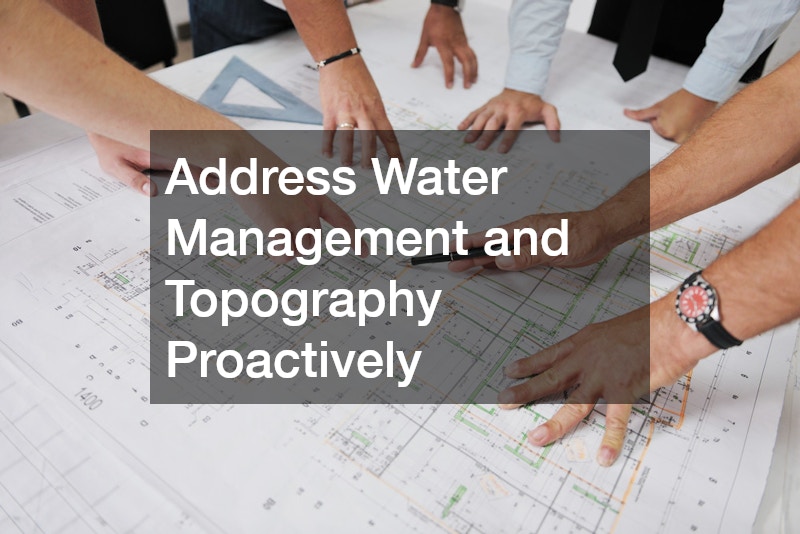
Address Water Management and Topography Proactively
Water is one of the most destructive forces a commercial building can face. Whether it is backing up from the inside or pooling around the foundation on the outside, improper water management leads to structural decay, severe health hazards, and massive remediation costs.
Inspect and Clear Main Sewer Lines and Grease Traps Quarterly
The interior plumbing infrastructure of a large facility handles an immense volume of waste and water daily. In high-capacity environments, particularly those with food service operations, manufacturing processes, or simply hundreds of employees, the plumbing system is constantly under stress. The most severe threat is a main line backup, which can flood interior spaces with black water, forcing immediate closures and requiring expensive biohazard remediation.
Preventative plumbing maintenance revolves around flow preservation. Facility managers should establish regular schedules for hydro-jetting the main sewer lines. High-pressure water jets scour the inside of cast iron and PVC pipes, removing calcification, scale, and accumulated debris before they form solid blockages. Furthermore, businesses that generate Fats, Oils, and Grease (FOG) must monitor their grease interceptors meticulously. If a trap overflows, it not only ruins the internal plumbing but can result in massive fines from municipal water authorities. Having a dedicated commercial plumber who possesses a blueprint of your specific piping layout and cleanout locations drastically reduces response times and diagnostic delays if a localized issue does occur. Regular camera inspections of the subterranean lines can also identify bellied pipes or root intrusions before they collapse completely.
Audit Irrigation Systems and Trim Structural Overhangs Before Storm Season
Exterior water management is just as critical as interior plumbing. The topography and landscaping surrounding your building directly impact its structural integrity. If the ground is not properly graded to slope away from the foundation, heavy rains will cause water to pool against the concrete, eventually seeping into basements or compromising the slab.
A thorough exterior audit should be conducted prior to your region’s storm season.
-
Irrigation Checks: Sprinkler heads must be adjusted so they are not spraying directly onto the building’s siding or stucco, which causes localized water rot and invites termite infestations. Look for hidden leaks underground that create sinkholes or destabilize the soil near walkways.
-
Root System Management: Aggressive tree roots will seek out moisture, often crushing subterranean plumbing lines or lifting foundation slabs.
-
Canopy Clearance: Overhanging branches act as highways for rodents to access the roof. Furthermore, during high winds, these branches scrape against roofing membranes, tearing away the protective layers and causing devastating roof leaks.
Collaborating with a professional commercial landscaper is vital for managing these environmental risks. They can install proper drainage solutions like French drains or bioswales, aggressively prune heavy limbs away from the structural envelope, and ensure that the exterior vegetation enhances the property’s aesthetic value without threatening its physical integrity.
Seal and Protect High-Impact Vehicular Surfaces
The parking lot and access roads are the first physical touchpoints anyone has with your business. Beyond curb appeal, these vehicular surfaces represent a massive capital investment and a significant source of legal liability if neglected. Asphalt and concrete are continuously subjected to immense weight, chemical spills, thermal expansion, and ultraviolet radiation.
Fill Surface Cracks and Restripe Zones to Mitigate Liability Risks
Asphalt is a flexible pavement, but over time, exposure to the sun oxidizes the bitumen binder, causing the surface to become brittle. As vehicles drive over this brittle surface, small cracks begin to form. If left unsealed, water penetrates these cracks. In colder climates, this water freezes and expands, tearing the asphalt apart from the inside. In warmer climates, the water erodes the aggregate sub-base, creating a void that eventually collapses under the weight of a vehicle, forming a pothole.
Routine maintenance is highly cost-effective compared to reconstruction. Facility managers should schedule crack sealing and sealcoating every two to three years. Sealcoating replenishes the surface binders and provides a waterproof barrier against rain and vehicle fluids. Furthermore, faded parking lines, obscured fire lanes, and illegible handicap spaces pose severe safety and compliance risks. Faded markings can lead to fender benders and pedestrian accidents. Engaging a specialized commercial asphalt service to properly fill surface voids and apply crisp, ADA-compliant restriping not only elevates the professional appearance of the facility but acts as a critical shield against trip-and-fall lawsuits and municipal code violations.
Budget for Full Structural Overlays at the 15-Year Lifecycle Mark
Even with perfect preventative maintenance, asphalt surfaces have a finite lifespan. Depending on traffic volume and climate, a parking lot will generally reach the end of its structural viability between 15 and 20 years. At this stage, you will begin to see signs of sub-base failure, most notably “alligator cracking”—a series of interconnected cracks resembling reptile skin—and deep surface depressions where water permanently pools.
When these symptoms appear, surface patching and sealcoating are no longer viable solutions; they are simply throwing operational funds into a sinking hole. Facility managers must proactively map out the capital expenditure required for major reconstruction. This process usually involves milling, where heavy machinery grinds away the top several inches of the degraded asphalt, repairs the gravel sub-base beneath, and applies a thick, fresh layer of hot mix asphalt. Executing a full-scale commercial paving project requires intense logistical planning. Facility managers must phase the construction to ensure that employees, freight trucks, and customers can still access the building safely while heavy machinery operates on-site. Planning this capital expense years in advance prevents financial shock and ensures the project can be executed smoothly with minimal business disruption.
Conclusion
Transitioning a portfolio from a reactive “fix-it-when-it-breaks” mindset to a predictive maintenance strategy is the ultimate key to maximizing return on investment across multi-site operations. When executives and facility directors treat their buildings as complex, interconnected systems rather than static structures, they unlock massive efficiencies. Routine audits of loading docks, preemptive tune-ups of climate control systems, rigorous load testing of electrical grids, proactive water management, and the preservation of exterior vehicular pathways all compound to create a highly resilient organization.
The physical state of your locations is a direct reflection of your operational standards. Well-maintained facilities protect the brand’s reputation, broadcast a message of competence to clients, ensure absolute workforce safety, and prevent massive, unexpected capital losses. Waiting for infrastructure to fail is a gamble that modern enterprises simply cannot afford.
Now is the time to consolidate the strategies discussed into actionable steps. Facility managers and business owners are encouraged to draft a unified, 12-month preventative maintenance calendar today. By defining exact inspection dates, allocating specific preventative budgets, and securing specialized contractors well before the busy seasons begin, you transform facility management from a source of constant stress into a competitive business advantage. Protect your assets, streamline your operations, and ensure that your physical infrastructure is always prepared to support your company’s growth.
