
Watching a construction completion date drift further away each month is one of the most frustrating parts of any facility project. Whether you are building a new location, renovating an existing space, or managing a tenant improvement, delays cost real money in lost revenue, extended rent, and idle equipment. The good news is that most timeline slippage comes from a small set of predictable causes, and understanding them puts you in a much stronger position to spot trouble early. This guide breaks down the most common culprits behind blown deadlines so you can ask better questions and make smarter decisions before the next delay hits.
Permit Delays and Local Approval Bottlenecks
Permitting is one of the least visible parts of a facility project but often the single biggest source of delay. Local jurisdictions vary wildly in how long they take to review plans, and a single missing document can send an application back to the bottom of the queue. Many owners assume permitting is a quick formality, then are surprised when it eats eight to twelve weeks before a shovel ever touches dirt.
The best way to protect your schedule is to build permit review time into your plan from day one, not treat it as an afterthought. Ask your project team early which approvals are required, including zoning, fire, health, and utility sign-offs, since missing even one can stall everything else behind it.
- Confirm which permits apply to your specific project type before design work is finalized
- Ask whether pre-application meetings with the local building department are available
- Build in buffer time for at least one round of plan revisions
- Track permit status weekly rather than assuming no news is good news
Site Preparation and Underground Utility Surprises
Once permits clear, the next major slowdown often happens the moment crews start moving earth. Unexpected soil conditions, old foundations, or undocumented utility lines can halt work for days while engineers reassess the site. This is especially common on older properties where original construction records are incomplete or missing entirely.
A sewer lateral repair is a classic example of a hidden issue that derails an otherwise well-planned schedule. These lines run from the building to the municipal connection and are often decades old, so a collapsed or root-infiltrated pipe discovered mid-excavation can add unplanned weeks to a project. Getting a camera inspection of underground lines before site work begins is a small upfront cost that can prevent a major scheduling headache later.
Equipment Availability and Scheduling Conflicts
Even a perfectly designed project can stall if the right machinery is not on site when it is needed. Heavy equipment is often booked weeks or months in advance, especially during peak construction season, and a single missed reservation can push an entire phase back. This is one of the most avoidable causes of delay, yet it catches project owners off guard constantly.
Securing an excavator rental early in the planning process, rather than waiting until grading is scheduled to begin, gives your contractor room to adjust if a specific machine is unavailable. Lead times for specialized attachments or larger units can be longer than standard equipment, so confirming availability in writing is worth the extra step. Owners who treat equipment scheduling as an afterthought are often the ones surprised by a two week gap in the middle of site work.
- Confirm equipment reservations in writing, not just verbally
- Ask about backup options if a specific machine is delayed
- Factor in delivery and pickup logistics, not just rental duration
- Coordinate equipment scheduling with the site work sequence, not just the calendar date
Material Sourcing and Supply Chain Lead Times
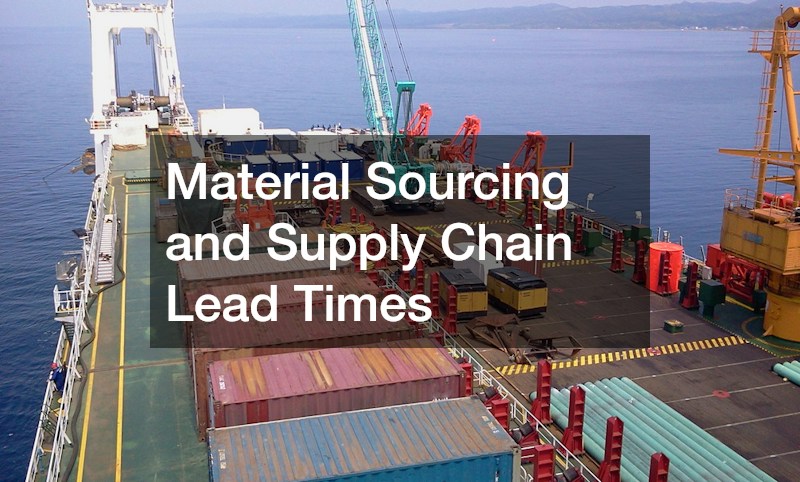
Material delays have become one of the most common reasons facility projects miss their original completion date. Certain building components have lead times that stretch far longer than most owners expect, and a shortage on one item can hold up trades that depend on it being installed first. This is particularly true for structural and enclosure materials that must be in place before interior work can begin.
Roof metal decking is a good example of a component that seems simple but can carry a surprisingly long order-to-delivery window depending on gauge, coating, and current mill demand. Projects that order this material late in the process, assuming it will arrive quickly, frequently find themselves waiting on the roof structure while every trade behind it sits idle. Confirming lead times on structural materials during the design phase, rather than after construction starts, is one of the simplest ways to protect your schedule.
Roofing Scope and Weather-Dependent Work
Roofing work sits at a strange intersection of being both time-sensitive and weather-dependent, which makes it a frequent source of delay. Rain, high winds, or extreme temperatures can push installation back by days at a time, and because so much interior work depends on a weathertight building, those delays ripple through the entire schedule. Owners often underestimate how tightly roofing timing needs to be sequenced with everything else.
Working with experienced roofing companies that provide a realistic weather contingency in their schedule, rather than a best-case estimate, helps set expectations correctly from the start. Ask for a written timeline that includes what happens if weather pushes installation back a week, and how that affects the trades scheduled behind it. A contractor who has planned for this contingency is far less likely to blindside you with a surprise delay later.
Mechanical System Installation and Coordination
Heating, cooling, and ventilation work requires careful coordination with electrical, plumbing, and structural trades, and any mismatch in timing can create a bottleneck. Mechanical rough-in often needs to happen before walls close, which means a delay in this phase pushes back drywall, paint, and finish work in a domino effect. This is one of the more technical parts of a project, so owners benefit from asking direct questions about sequencing.
Reputable AC companies will typically flag equipment lead times and installation windows early, but this information only helps if it is shared with the general contractor promptly. Ask your project manager how mechanical scheduling is being communicated across trades, since a breakdown in that communication is a common and preventable cause of slippage. Confirming equipment specifications early also avoids last-minute substitutions that can create fit or code issues during installation.
Custom Design Changes and Scope Creep
Change orders are one of the most predictable yet underestimated sources of schedule slippage. Every modification, even a small one, can require re-approval, material reordering, or rescheduling of trades that had already been sequenced around the original plan. Projects with a lot of custom finishes or specialty layouts are especially prone to this kind of drift.
Anyone who has worked with a custom home builder knows that personalization and pace often pull in opposite directions, and the same tension shows up in commercial facility projects. The more decisions left open during construction rather than finalized during design, the more likely the schedule will stretch to accommodate them. Locking in finishes, layouts, and specifications before breaking ground is one of the most effective ways to keep a project on track.
Temporary Facilities and Workforce Logistics
Large facility projects often require temporary infrastructure to keep crews working efficiently, and gaps in this planning can slow productivity without anyone immediately realizing why. Something as simple as inadequate restroom access can reduce on-site efficiency, particularly on projects with larger crews or extended timelines. These logistical details are easy to overlook during planning but have a real impact on daily output.
Arranging bathroom trailer rentals before the crew count peaks, rather than scrambling once complaints start, keeps daily productivity steady and avoids losing hours to workers traveling off-site for basic facilities. Site logistics planning should happen alongside the construction schedule itself, not as a separate afterthought handled at the last minute. Small oversights like this rarely make headlines, but they add up across a multi-month project.
Structural Lifts and Specialized Access Work
Some facility projects require lifting heavy structural components, rooftop equipment, or prefabricated sections into place, and this work depends heavily on specialized equipment being available exactly when needed. A missed lift date can push back an entire sequence of trades waiting for that structural element to be set. This is especially true on projects with tight urban sites or limited access points.
Scheduling crane services well in advance, and confirming the exact lift window with the operator, prevents the kind of last-minute scrambling that throws off an otherwise well-planned week. Site access, ground conditions, and overhead clearance all need to be verified before the lift date, not discovered as a problem on the morning of. A brief conversation between the general contractor and crane operator ahead of time can prevent a costly rescheduling.
Business Continuity and Occupancy Planning
For business owners managing operations during a facility project, timing decisions around occupancy and continuity often intersect with the construction schedule in ways that are easy to miss. A slipping deadline doesn’t just delay a ribbon-cutting; it can force awkward decisions about where employees work, how customers are served, and whether revenue-generating activities can continue uninterrupted. Companies expanding into a new space sometimes need interim solutions, such as temporary leases, shared workspace, or phased move-in schedules, while the primary location remains under construction. Businesses that rely on contract manufacturing partners often have even more flexibility here, since production can continue offsite while the facility work proceeds.
This arrangement buys valuable time when permitting delays or supply chain hiccups push completion dates back by weeks or months. It also reduces the financial pressure to rush inspections or cut corners just to hit an arbitrary move-in date. Not every business has that luxury, though. Retail operations, healthcare providers, and service businesses with fixed customer-facing locations typically can’t shift operations elsewhere as easily, which makes contingency planning even more critical for them.
In these cases, owners should map out a specific fallback plan well before the original deadline arrives, including which functions could operate remotely, whether a partial occupancy certificate is realistic, and what the added carrying costs of a delay would look like on a month-by-month basis. Planning for this transition period in advance, ideally as part of the original project timeline rather than as a reaction to slippage, prevents the pressure of construction delays from disrupting daily operations entirely.
One of the most overlooked causes of deadline pressure is the assumption that the business move-in date and the construction completion date must be the same day. Some businesses break that link by securing office for lease arrangements as a bridge during longer build-outs, giving staff a functional workspace while the permanent facility is finished properly rather than rushed. A short-term lease of six to twelve months is often enough to absorb the kind of delays that punch list items, inspections, and furniture lead times routinely cause.
This kind of contingency planning also removes pressure from the construction team to cut corners just to meet an artificial move-in date. When there’s no bridge space, teams often rush final inspections, skip curing times on flooring or paint, or install systems before they’ve been properly tested, all of which create costly rework later. A temporary office removes that time bomb from the schedule entirely. Separating the business timeline from the construction timeline, even temporarily, often leads to a better final result on both fronts.
Operations can continue serving customers and hitting revenue targets without interruption, while the build-out team finishes the space to spec instead of to a deadline. Companies that plan for this bridge period upfront, rather than scrambling for it mid-project, also tend to negotiate better lease terms since they’re not signing under duress.
Facility project delays rarely come from one single failure, they usually stack up from several small gaps in planning, communication, and scheduling. By understanding where these bottlenecks typically form, from permitting and site work to equipment, materials, and occupancy planning, you can ask sharper questions of your project team and catch problems while they are still manageable. The next step is to walk through your own project plan section by section and identify where these same risks might already be quietly building. A little scrutiny now is far cheaper than a missed deadline later.
