

Key Takeaways
- Roofing can be a profitable industry, but success depends on careful planning, accurate budgeting, and efficient project management.
- Startup costs include equipment, vehicles, insurance, licensing, marketing, and sufficient working capital.
- Hiring skilled workers and maintaining strong safety standards are essential for quality work and long-term business success.
- Building a positive reputation through reliable service and clear communication helps generate repeat customers and referrals.
- Consistent marketing and a strong online presence are important for attracting new clients and staying competitive.
- Improving operational efficiency and using the right business tools can increase productivity and profitability over time.
- Preparing for seasonal demand changes and maintaining financial reserves helps create a more stable and resilient business.
The roofing industry plays an essential role in residential and commercial construction. Every building needs a reliable roof to protect it from the elements, and roofs eventually require repairs or replacement as they age. Because of this ongoing demand, many entrepreneurs wonder whether investing in a roofing company is a smart business decision.
The short answer is yes—a roofing business can be profitable. However, profitability depends on much more than simply offering roofing services. Success requires skilled labor, careful financial planning, strong customer service, effective marketing, and the ability to manage projects safely and efficiently. Like any business, there are opportunities as well as risks that every prospective owner should understand before investing.
If you are considering entering the roofing industry, this guide explains the major factors that influence profitability and what you should evaluate before launching your business.
Why the Roofing Industry Continues to Grow

Roofing is considered an essential service because every property eventually needs maintenance, repairs, or replacement. Weather events, aging materials, and new construction projects all contribute to steady demand.
Unlike businesses that rely on changing trends, roofing provides services that property owners cannot easily postpone forever. Even if homeowners delay replacing an aging roof, leaks, storm damage, and safety concerns eventually require professional attention.
Commercial buildings also require regular inspections and maintenance to protect valuable assets and comply with building standards. This creates additional opportunities beyond residential work.
Although demand may fluctuate with local economic conditions, roofing remains an industry with consistent long-term potential.
Common sources of roofing work include:
- Residential roof replacements
- Roof repairs
- Storm damage restoration
- New construction projects
- Commercial roofing
- Preventive maintenance
Understanding the Profit Potential
Roofing projects often involve higher contract values than many other home improvement services. A single roof replacement can generate significant revenue compared to smaller repair jobs.
However, high revenue does not automatically translate into high profits. Roofing businesses also have substantial operating expenses, including labor, insurance, equipment, vehicles, materials, permits, advertising, and office costs.
Profitability depends on accurately estimating projects, controlling expenses, reducing waste, and completing work efficiently. Poor project management or inaccurate bids can quickly reduce profit margins.
Experienced business owners understand the importance of balancing competitive pricing with healthy profit margins.
Factors affecting profitability include:
- Material costs
- Labor expenses
- Insurance premiums
- Fuel costs
- Equipment maintenance
- Project efficiency
Consider the Startup Costs
Launching a roofing company requires more investment than many service-based businesses. While startup costs vary depending on company size, new business owners should prepare for several major expenses.
Reliable trucks, trailers, ladders, safety equipment, roofing tools, and storage facilities are essential. Insurance coverage is particularly important because roofing involves higher workplace risks than many other industries.
You’ll also need business licensing, accounting software, marketing materials, and sufficient working capital to cover expenses before customer payments are received.
Creating a detailed startup budget helps reduce financial surprises during the first year.
Typical startup expenses include:
- Work vehicles
- Roofing tools
- Safety equipment
- Insurance
- Business licensing
- Marketing
- Office equipment
Skilled Labor Is Critical
One of the biggest challenges facing roofing companies is hiring and retaining qualified workers. Roofing is physically demanding, requires technical skills, and often involves working in difficult weather conditions.
Investing in employee training improves both workmanship and workplace safety. Well-trained crews are more productive, complete projects faster, and generate fewer costly mistakes.
Providing competitive wages, clear communication, and opportunities for advancement can also improve employee retention in a competitive labor market.
A reliable team often becomes one of the company’s greatest competitive advantages.
Successful roofing crews need:
- Technical skills
- Safety training
- Physical endurance
- Teamwork
- Attention to detail
- Reliability
Safety Should Be a Top Priority
Roofing consistently ranks among the more hazardous construction trades. Falls, equipment accidents, heat exposure, and severe weather create risks that every business owner must address.
Comprehensive safety training, proper protective equipment, regular inspections, and clearly documented procedures help reduce workplace injuries. Investing in safety may increase operating costs initially, but it also lowers the likelihood of expensive accidents, insurance claims, and project delays.
Customers also gain confidence when they see professional crews following proper safety practices.
Building a strong safety culture protects both employees and the long-term reputation of the business.
Important safety measures include:
- Fall protection systems
- Safety harnesses
- Equipment inspections
- Weather monitoring
- Employee training
- Emergency procedures
Build a Strong Reputation Early
In the roofing industry, reputation often determines long-term success. Homeowners place significant trust in contractors because roofing projects represent major investments that directly affect their property’s protection and value.
Providing honest estimates, clear communication, quality workmanship, and dependable customer service encourages positive reviews and referrals. Responding promptly to questions and addressing concerns professionally also strengthens customer confidence.
Many successful roofing companies generate a large percentage of new business through repeat customers and recommendations.
Protecting your reputation should remain a daily priority.
Ways to build trust include:
- Provide written estimates
- Honor warranties
- Communicate clearly
- Finish projects on schedule
- Follow up after completion
Develop a Smart Marketing Strategy
Even highly skilled roofing contractors need effective marketing to attract new customers. A professional website, positive online reviews, local search optimization, and active social media profiles all help establish credibility.
Vehicle graphics, yard signs, community sponsorships, and partnerships with real estate professionals or insurance agents can also increase local visibility.
Educational content that explains roofing maintenance, inspections, and replacement options helps position your business as a trusted expert rather than simply another contractor.
Consistent marketing supports steady lead generation throughout the year.
Marketing channels to consider:
- Company website
- Local SEO
- Online reviews
- Social media
- Referral programs
- Community events
Plan Carefully Before Launching
Many entrepreneurs are attracted to the roofing industry because of its earning potential. However, careful preparation is essential before opening your doors.
If you’re starting a roofing business, take time to research your local market, identify competitors, estimate startup costs, understand licensing requirements, and develop a realistic business plan. Knowing your target customers and service area will also help shape your pricing and marketing strategies.
A well-prepared launch reduces costly mistakes and provides a stronger foundation for long-term success.
Planning thoroughly before investing often improves your chances of building a profitable company.
Planning should include:
- Market research
- Financial projections
- Licensing requirements
- Insurance coverage
- Service offerings
- Business goals
Improve Efficiency as Your Company Grows
As roofing businesses expand, operational efficiency becomes increasingly important. Managing multiple crews, suppliers, customer schedules, and project timelines requires organized systems.
Investing in scheduling software, estimating tools, accounting systems, and project management platforms can significantly improve daily operations. Standardized processes also reduce errors while helping employees work more consistently.
Many successful contractors discover that building a more efficient business allows them to complete more projects without proportionally increasing operating costs. Greater efficiency often leads directly to improved profitability.
Small improvements in workflow can produce meaningful long-term financial benefits.
Efficiency improvements include:
- Digital scheduling
- Project management software
- Inventory tracking
- Standard operating procedures
- Automated invoicing
- Employee training
Prepare for Seasonal Challenges
Roofing demand often varies throughout the year depending on climate and weather conditions. Cold winters, heavy rainfall, or hurricane seasons may temporarily affect scheduling and productivity.
Planning ahead helps reduce the impact of seasonal fluctuations. Building financial reserves during busy periods, offering maintenance services during slower months, and diversifying into related exterior services can provide more consistent income.
Monitoring weather forecasts and maintaining flexible scheduling also helps minimize delays.
Successful roofing companies prepare for seasonal changes instead of simply reacting to them.
Seasonal planning strategies include:
- Build emergency savings
- Diversify services
- Schedule projects carefully
- Monitor weather forecasts
- Maintain equipment year-round
Is a Roofing Business Right for You?
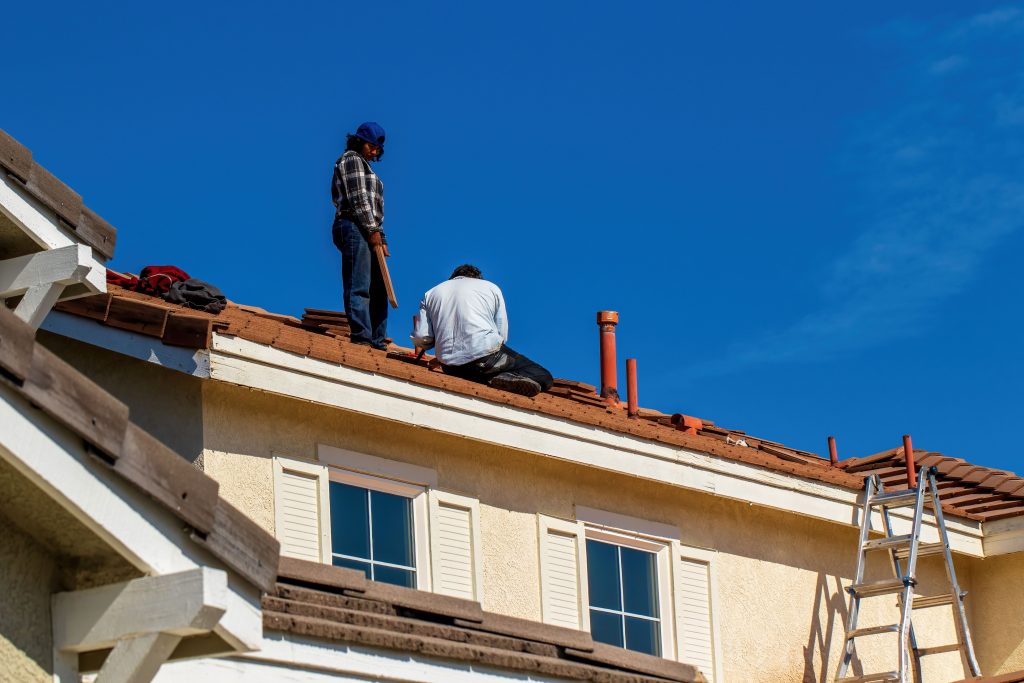
Owning a roofing company can be financially rewarding, but it also requires dedication, leadership, and a willingness to solve problems every day. Business owners must balance customer service, employee management, financial planning, safety compliance, and project execution simultaneously.
If you enjoy working in construction, managing teams, and building long-term customer relationships, the roofing industry may offer significant opportunities. However, success depends on careful planning, continuous learning, and maintaining high professional standards.
Before investing, honestly evaluate your experience, financial resources, risk tolerance, and long-term goals.
Understanding both the opportunities and challenges will help you make a more informed decision.
Questions to ask yourself include:
- Do I understand the local roofing market?
- Can I manage employees effectively?
- Do I have sufficient startup capital?
- Am I prepared for seasonal fluctuations?
- Can I commit to long-term business growth?
Final Thoughts
A roofing business has the potential to become a profitable and sustainable investment when managed effectively. Strong demand, valuable services, and recurring maintenance opportunities make the industry attractive to many entrepreneurs. However, profitability depends on far more than completing roofing projects. Careful financial management, skilled employees, excellent customer service, effective marketing, and efficient operations all contribute to long-term success.
Before investing, take time to understand the true costs of launching and operating a roofing company. Develop a detailed business plan, prioritize safety, invest in your team, and build systems that support steady growth. By combining thoughtful planning with quality workmanship and dependable service, you can create a roofing business that delivers value to customers while generating lasting financial rewards.
