
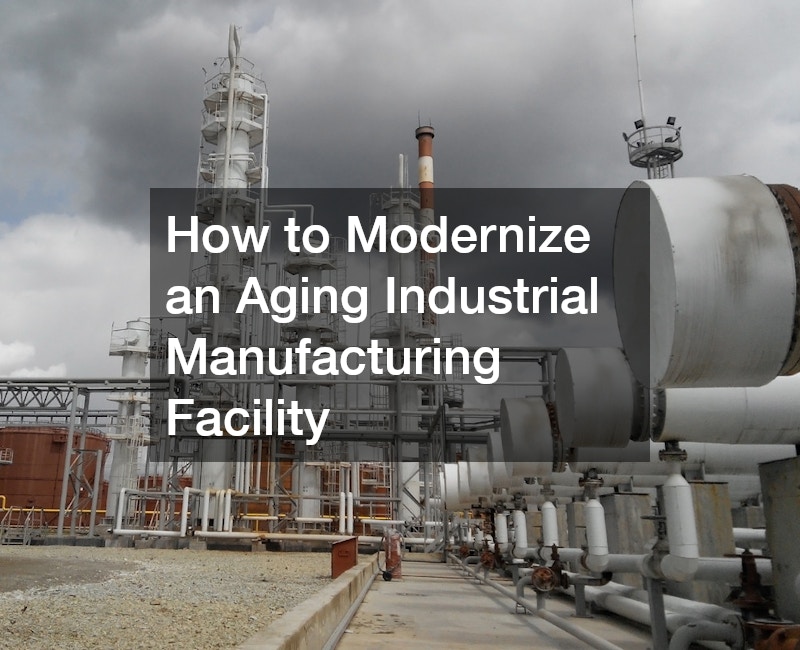
Manufacturing landscapes evolve rapidly, driven by automation, stricter environmental mandates, and the relentless pursuit of operational efficiency. For many plant managers and corporate executives, the reality of daily operations unfolds inside buildings constructed thirty, forty, or even fifty years ago. These aging facilities often boast durable foundations and structural bones, but they struggle to support the digital demands, heavy energy loads, and high-speed throughput expected of modern production environments.
Running a legacy plant presents distinct financial and operational challenges. Unplanned downtime increases as parts wear out, utility costs soar due to thermal inefficiencies, and safety compliance becomes harder to maintain. True modernization is not about knocking down walls or purchasing an entirely new fleet of machinery. Instead, it is a strategic, systematic overhaul of the physical infrastructure, high-demand utilities, and production floor systems to transform an old facility into an agile, data-driven hub.
This comprehensive guide outlines a practical blueprint for modernizing an aging industrial manufacturing facility. By focusing on targeted physical structural remediation, utility optimization, precision hardware upgrades, and sustainable plant practices, you can maximize your existing square footage, slash utility overhead, and protect your workforce for the next generation of industrial growth.
Strengthening the Envelope and Structural Integrity
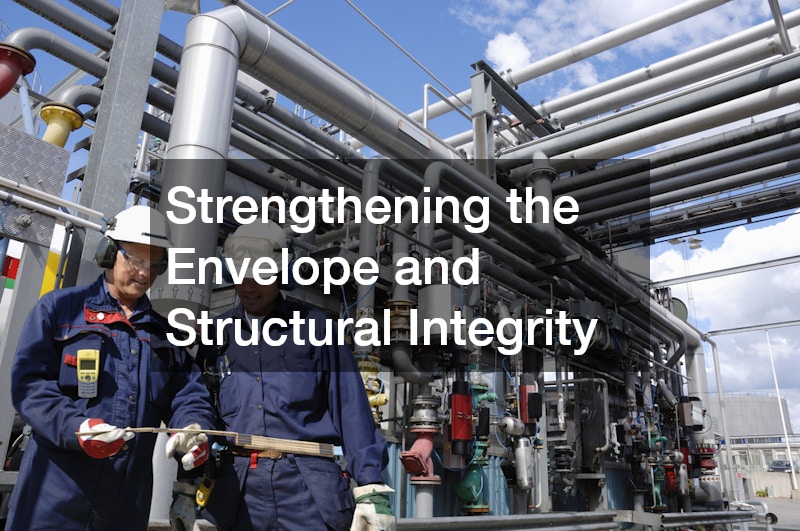
The physical shell of an older manufacturing facility is its first line of defense against elements that can cause costly inventory degradation or production halts. Over decades, freeze-thaw cycles, internal vibration, and chemical exposure wear down even the most robust building components, demanding a proactive approach to structural care.
Assess and Restore Structural Surfaces
As facilities age, the exterior bears the brunt of environmental stress. Concrete carbonation, brick spalling, and moisture intrusion can slowly compromise the integrity of peripheral load-bearing walls. Plant managers must implement systematic inspections to catch micro-fissures before they evolve into major safety hazards. Engaging in targeted building facade repair operations helps seal the plant envelope, stopping water ingress that can rust internal rebar or destroy delicate electrical panels near the building perimeter. Restoring these surfaces also dramatically improves the thermal insulation of the property, which directly alleviates stress on aging HVAC systems trying to balance indoor environments.
Upgrade Fenestration and Building Openings
Older plants frequently feature single-pane windows, deteriorated caulking, and large loading dock doors that do not seal tightly. These gaps allow massive amounts of conditioned air to escape, driving up monthly utility bills. Replacing these weak links with industrial-grade curtain walls and high-performance glass improves natural lighting while regulating the indoor climate. When specifying these architectural upgrades, ensuring that all window assemblies possess a verifiable AAMA certification is essential. This industry-standard credential guarantees that the installations have passed rigorous testing for structural wind resistance, water penetration, and air leakage, providing long-term reliability on a busy industrial floor.
Weatherproofing for the Long Haul
Beyond windows and facades, roofs on older facilities require critical attention. Transitioning from traditional built-up roofing to modern thermoplastic polyolefin (TPO) or ethylene propylene diene monomer (EPDM) reflective roofs deflects solar radiation. This reduces the heat island effect over the plant floor, protecting overhead cranes, ductwork, and lighting assemblies from extreme temperature swings.
Optimizing High-Demand Plant Utilities

Industrial utilities act as the lifeblood of production, delivering the gases, fluids, and pressurized air required by automated machinery. Legacy piping networks are notorious for harboring hidden scale build-up, corrosion, and leaks that slowly drain profits through system pressure drops.
Eliminate Compressed Air Leaks and Pressure Drops
Compressed air is one of the most expensive utilities to generate in a plant, yet older facilities regularly lose twenty to thirty percent of their air supply to microscopic pipe leaks. Traditional black iron or galvanized steel pipes rust internally over time, creating rough interior surfaces that slow down airflow and choke pneumatic tools. Designing a modern, engineered loop system utilizing lightweight aluminum or stainless steel lines optimizes delivery. Installing a professionally designed compressed air line piping system ensures smooth interior surfaces, minimizes friction, drops energy consumption at the compressor, and maintains consistent pressure across every drop point on the floor.
Retrofit Heavy Gas Delivery Infrastructures
Many chemical processing, metal fabrication, and food production plants rely on bulk gases like nitrogen, oxygen, argon, or carbon dioxide. Legacy delivery systems often rely on manual manifold changeouts and unmonitored storage tanks, introducing human error and sudden supply shortages. Modernizing these systems requires close alignment with established industrial gas suppliers that can deploy telemetry-enabled storage solutions. These smart systems monitor tank volumes in real time, automatically triggering deliveries before pressure drops hit the line, while upgrading regulators to digital flow controllers that optimize consumption and prevent gas wastage.
Upgrade Chemical and Fluid Distribution Lines
Corrosive liquids, cooling water, and process chemicals require secure pathways to prevent environmental contamination and protect floor staff. Older facilities often rely on outdated piping configurations with dead legs—sections of pipe that are no longer used but remain filled with stagnant fluid, creating breeding grounds for bacteria or accelerated corrosion. Utilizing commercial industrial piping services allows plants to map and purge these dead legs. These specialist teams replace degraded lines with modern orbital-welded stainless steel or high-density polyethylene (HDPE), integrating advanced automated shut-off valves and pressure transducers that quickly isolate leaks.
Retrofitting the Production Floor and Hardware

Achieving high-throughput efficiency requires bringing legacy machinery into the modern digital age. Complete machine replacement is often cost-prohibitive, making smart retrofits the preferred approach to gaining visibility into old production assets.
Bridge the Gap Between Legacy Assets and the Internet of Things
Many reliable stamping presses, CNC machines, and injection molders lack the digital connectivity required by today’s smart manufacturing ecosystems. Rather than scraping these multi-million dollar mechanical assets, plants can apply external sensor arrays that monitor vibration, temperature, and electrical current draw. Upgrading manual pushbuttons, legacy relays, and outdated terminal blocks with modern industrial hardware allows older machinery to broadcast operational health metrics. These components convert analog physical movements into digital inputs, feeding data into programmable logic controllers (PLCs) or edge gateways to predict mechanical failures weeks before they cause a line stoppage.
Overhaul Heavy Weighing and Material Intake Systems
Accurate material measurement at point-of-receipt and final shipping is critical for maintaining margin control and supply chain traceability. Legacy mechanical lever scales found in older facilities are prone to drift, mechanical wear, and slow read times, which create bottlenecks at loading bays. Upgrading to high-capacity electronic load cells linked to warehouse management software drastically accelerates operations. Partnering with professional industrial scale companies allows facilities to install heavy-duty, self-diagnostic floor scales and truck scales that automatically log weights into inventory systems, removing manual paperwork and human data-entry errors from the logistics chain.
Streamline Floor Layouts for Automation
Older facilities were rarely designed with modern cellular manufacturing configurations or automated material handling in mind. Modernization often involves pulling up fixed, rigid conveyor lines and establishing clear, open floor layouts. Creating dedicated pathways with high-durability floor markings allows the safe integration of autonomous mobile robots (AMRs) and automated guided vehicles (AGVs), which move raw goods and finished products dynamically without cluttering central pedestrian walkways.
Advanced Material Protection and Facility Safety

A modern factory environment must balance high productivity with world-class safety standards. Older facilities require targeted material treatments and updated dust and ventilation management to protect workers and maintain compliance with modern occupational health regulations.
Safeguard Surfaces Against Chemical and Physical Wear
Industrial flooring in vintage plants takes a tremendous beating from heavy forklifts, dropped components, and chemical spills. Bare or poorly sealed concrete becomes porous, absorbing oils and hazardous fluids that are difficult to clean. Applying an advanced industrial coating, such as an antimicrobial polyurethane mortar or a multi-layer epoxy broadcast system, creates a seamless, non-porous barrier. These advanced surface treatments protect underlying concrete from chemical erosion, provide slip resistance for pedestrians, and brighten the facility floor by reflecting overhead LED light fixtures.
Mitigate Air Quality and Explosion Risks
Processing dry bulk ingredients, wood, plastics, or metals creates fine particulate matter that hangs in the air, creating both a respiratory hazard and a severe explosion risk. Legacy ventilation setups often pull dust into general building spaces rather than containing it at the source. Implementing a localized, heavy-duty combustible dust collector system captures these particles directly at the machine interface. These modern filtration units use explosion-isolation valves, spark detection arrays, and self-cleaning cartridge filters to keep the workplace air clean while complying with strict National Fire Protection Association (NFPA) standards.
Improve Ambient Working Conditions
Older facilities often struggle with poor indoor air quality, dark pockets, and stale air zones. Replacing high-intensity discharge (HID) lamps with smart, motion-activated LED fixtures drastically cuts power demand while eliminating shadows that hide safety hazards. Additionally, introducing high-volume, low-speed (HVLS) ceiling fans mixes stratified air layers, balancing temperature zones from floor to ceiling, reducing heating loads in winter, and providing a cooling breeze during summer months.
Transitioning to Circular and Sustainable Operations
Modern manufacturing operations must prioritize resource conservation and waste reduction. Older facilities can be re-engineered to capture wasted energy and recycle production byproducts, turning environmental compliance liabilities into direct financial savings.
Implement Closed-Loop Scrap and Waste Tracking
Legacy manufacturing layouts often treat production waste as an afterthought, tossing metal stampings, plastic trimmings, and spent fluids into mixed dumpsters destined for landfills. A modern plant implements segregated waste management at the machine level, using color-coded bins and automated chip conveyors to capture pure material streams. Developing an organized system for industrial recycling allows plants to sort ferrous metals, non-ferrous alloys, and engineered plastics cleanly. Cleanly segregated scrap commands significantly higher buyback rates from material processors, allowing plants to recover a portion of their initial raw material expenditures while hitting corporate sustainability metrics.
Optimize Water and Energy Recovery
Large industrial facilities reject massive quantities of low-grade thermal energy through equipment cooling loops, compressor exhaust, and boiler blowdown systems. Modernizing an older plant involves installing air-to-air heat exchangers and closed-loop heat recovery chillers. This captured waste heat can be diverted to preheat boiler feed water, heat incoming fresh air for building ventilation, or provide hot water for employee locker rooms, significantly reducing the plant’s overall natural gas and electricity consumption.
Execution Strategies for Minimal Disruption
Embarking on a broad modernization journey can feel overwhelming for plant teams managing daily production quotas. The key to successful implementation lies in phased execution, ensuring that capital expenditures align with immediate operational payback.
Phase 1: The Comprehensive Audit
Before spending capital on new hardware or piping networks, a facility must establish an accurate operational baseline. This process involves several critical assessments:
-
Conduct an ultrasonic air leak survey to pinpoint exact leak locations across the plant air loops.
-
Perform a thermal imaging scan of the building envelope, electrical panels, and heavy machinery to find hot spots and energy leaks.
-
Review historical maintenance logs to identify which legacy machines incur the highest repair costs and longest downtimes.
-
Audit material flow patterns to map out where bottlenecks consistently form during peak production hours.
Phase 2: Prioritizing the Quick Wins
With data from the audit in hand, focus first on projects that offer rapid return on investment and cause minimal disruption to current production lines. Repairing visible building envelope damage, fixing major compressed air leaks, and upgrading to smart LED lighting can often be done during scheduled weekend maintenance windows. The utility savings generated by these initial fixes can then be captured and reinvested into more complex infrastructural upgrades.
Phase 3: Scheduled Segmented Overhauls
For major utility and hardware upgrades—such as running new distribution lines or retrofitting machinery sensors—work should be scheduled in blocks. Many facilities utilize planned annual holiday shutdowns or execute upgrades on one production cell at a time. This modular approach allows the rest of the plant to run normally while a dedicated crew integrates new technologies into a specific section, keeping overall plant output stable.
Modernizing an aging manufacturing plant is a vital investment in the long-term survival, profitability, and safety of an industrial business. While brand-new, purpose-built smart factories capture headlines, the most sustainable and economically sound path for many organizations is the careful revitalization of their existing physical assets. By systematically addressing structural weaknesses, improving utility efficiencies, adding smart functionality to legacy machinery, and adopting strict environmental controls, old facilities can match or exceed the performance metrics of modern processing plants.
The transformation from an inefficient legacy plant to an agile, modernized facility does not happen overnight. It requires careful planning, data-driven prioritization, and strong partnerships with specialized engineering and service professionals. By starting with a comprehensive plant-wide audit and tackling the highest-payback bottlenecks first, facilities can fund their own ongoing modernization journeys through massive utility savings and reclaimed production time. With a clear strategy and a commitment to continuous infrastructure improvement, your facility will remain a competitive, safe, and highly productive engine of manufacturing excellence for decades to come.
