

Every growing business eventually hits a point where the systems, space, and support that once worked perfectly start to feel like a bottleneck. Maybe your team is tripping over boxes, your equipment is overdue for attention, or a recent incident has you questioning whether you have the right professionals in your corner. Recognizing these growing pains early can save you from costly mistakes, lost productivity, and legal headaches down the road. Here are five clear signals that your business has outgrown its current setup, along with practical guidance on what to do next.

Your Physical Space No Longer Fits Daily Operations
One of the most obvious signs of outgrowing your setup is simply running out of room. Inventory stacked in hallways, employees sharing desks in shifts, or equipment stored outside because the warehouse is full are all signals that your space can no longer support your workflow. When this happens, many business owners start exploring larger facilities, and clear span buildings have become a popular option because they offer open, column-free interiors that can be configured for warehousing, manufacturing, or vehicle storage without wasted structural space.
Beyond square footage, consider how your current layout affects efficiency. If employees spend extra time navigating cramped aisles or searching for materials buried in overflow storage, that lost time adds up quickly across a year.
- Employees routinely working around stacked inventory or equipment
- Storage spilling into parking lots or hallways
- Difficulty hosting clients or vendors on-site due to clutter
- New equipment that cannot physically fit in existing space
Relocation Logistics Are Becoming Too Complex to Manage Internally
As a business expands, the idea of moving to a new location often becomes unavoidable, but the logistics of relocating an entire operation are far more complicated than a standard household move. A residential move might involve furniture and boxes, but a business relocation means coordinating server rooms, manufacturing equipment, filing systems, and multiple departments that all need to be operational again on the same timeline.
Specialized business moving companies handle the unique challenges of transporting heavy equipment, sensitive electronics, and organized inventory systems with minimal downtime. Many offer services like asset tagging and inventory mapping, so every piece of equipment ends up exactly where it belongs in the new space, along with climate-controlled transport for servers or lab equipment that can’t tolerate temperature swings. Some even coordinate with IT teams to schedule network cutover during off-hours, so data systems stay online as long as possible before the switch.
Attempting a large-scale move without this kind of support often results in damaged assets, missed deadlines, and frustrated employees who are left waiting on basic tools to resume work. A single day of downtime can translate into thousands of dollars in lost productivity, not to mention the reputational cost of missed client deadlines during the transition. Businesses that plan relocation logistics months in advance, rather than scrambling in the final weeks, tend to avoid the costliest surprises.
When a company reaches the point where it needs more space, more staff, or a better location, the logistics of actually making that move often reveal how much the business has outgrown its current setup. Coordinating vendors, IT infrastructure, inventory transfers, and employee schedules all at once is a different challenge than running day-to-day operations, and many internal teams simply aren’t built for it. Planning a commercial relocation also means thinking carefully about timing.
Businesses that coordinate moves during slower sales periods, such as after the holiday rush or during a seasonal lull, tend to experience less disruption to revenue and customer service. A retailer might choose early February over December, while a B2B firm might avoid relocating during its busiest quarter-end push. Beyond timing, companies also need to weigh costs that are easy to underestimate: double rent during overlap periods, temporary storage, equipment downtime, and lost productivity while employees adjust to a new space. Some businesses bring in project managers or commercial movers specifically to keep these moving parts on schedule. If leadership finds itself spending more time managing the move than running the business, that’s a clear signal the current setup has become too complex to outgrow quietly.
- Equipment too large, heavy, or delicate for a standard moving crew — think industrial machinery, server racks, or lab instruments requiring specialized riggers and insured transport
- Multiple departments needing to relocate on a coordinated schedule, often in staggered waves to keep critical functions running
- IT infrastructure requiring careful disconnection, labeling, and reconnection, including servers, phone systems, and network cabling
- Sensitive data and compliance requirements that demand secure handling of records during transit
- A need to minimize downtime during the transition, since even a day offline can mean lost revenue or missed client deadlines
- Vendor and lease timing conflicts, such as overlapping contracts or utility setup delays, that require tighter coordination than internal staff can manage alone
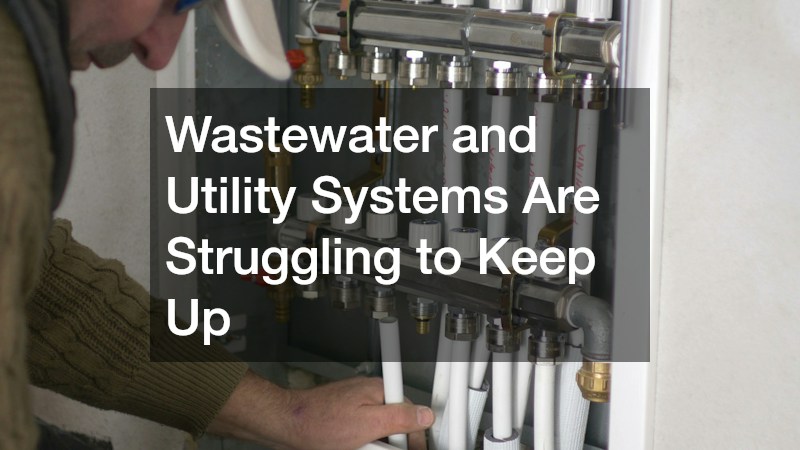
Wastewater and Utility Systems Are Struggling to Keep Up
Growth does not just mean more employees and inventory, it also means increased demand on your facility’s infrastructure. A septic system designed for a small office or modest retail space can quickly become overwhelmed when foot traffic, kitchen use, or restroom frequency increases. Regular commercial septic system pumping becomes essential at this stage, since neglecting it can lead to backups, foul odors, and even temporary closures that disrupt business operations.
Utility strain is often a quiet problem until it becomes a loud one. Scheduling routine inspections before a busy season can help you catch capacity issues before they turn into emergency repairs.
- Slow drains or recurring backups in restrooms or break rooms
- Unpleasant odors near utility areas
- Increased water usage from a growing staff or customer base
- Previous system designed for a much smaller operation
Workplace Incidents Are Exposing Gaps in Legal Preparedness
As a business scales, foot traffic, deliveries, and employee activity all increase, which unfortunately raises the odds of an on-site accident. When someone is injured on your property, having a relationship with experienced personal injury lawyers before an incident occurs can make the claims process far less stressful for everyone involved. Businesses that wait until after an accident to think about legal representation often find themselves scrambling and making decisions under pressure.
Slip and fall incidents are particularly common in retail and warehouse environments where floors, stairs, or uneven surfaces see heavy use. Consulting the best slip and fall attorney in your area for a preventive review of your property can help identify hazards before they result in a costly claim.
- Increased customer or employee foot traffic on your property
- Uneven flooring, poor lighting, or cluttered walkways
- Lack of a clear incident reporting procedure
- No established relationship with legal counsel before an issue arises
Fleet and Delivery Growth Is Raising Your Road Risk
As businesses expand their delivery capabilities or add company vehicles, the risk of a road accident grows alongside it. More vehicles on the road naturally means more exposure to collisions, whether it’s a delivery van clipping a parked car or a loaded truck involved in a multi-vehicle pileup on the highway. Even a modest fleet of five or ten vehicles can rack up significant mileage each month, and with that mileage comes a statistically higher chance of an incident. A single collision involving a commercial vehicle can result in significant downtime, property damage, and liability concerns.
Beyond the immediate repair costs, businesses often face lost productivity, insurance premium hikes, and sometimes regulatory scrutiny if the vehicle was operating under a commercial license or DOT number. Customer trust can also take a hit if deliveries are delayed or a public incident draws negative attention. If your business operates larger trucks, working with a semi accident lawyer who understands commercial vehicle regulations can be critical to protecting your company in the aftermath of a serious crash. These cases often involve federal trucking regulations, driver log requirements, and complex liability questions that differ significantly from standard auto accident claims. Having the right legal counsel on standby—before an accident happens—can make the difference between a manageable setback and a prolonged legal battle that threatens your bottom line.
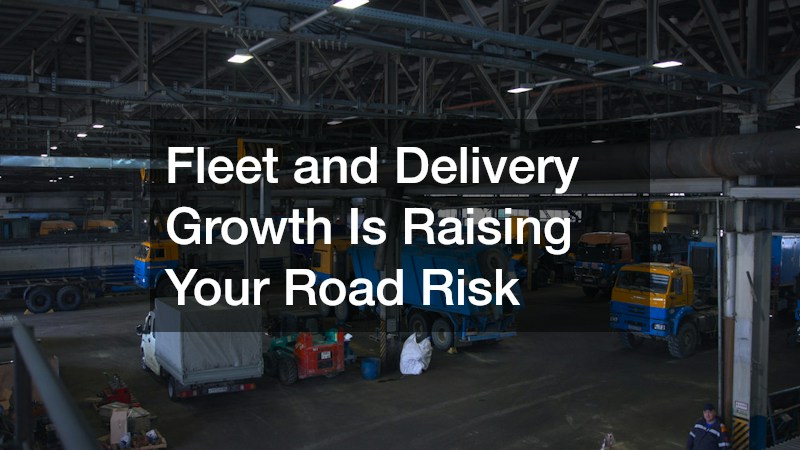
As your delivery volume climbs, even a small fleet of cars or vans can quietly become one of your biggest liability exposures. More stops per day, tighter delivery windows, and unfamiliar routes all add up to more time on the road and more opportunities for an incident. A single at-fault accident can mean vehicle downtime, higher insurance premiums, and a driver out of commission for weeks. The stakes also rise with scale. A fleet of five vehicles making a handful of daily runs carries far less risk exposure than fifteen vehicles logging hundreds of miles across a metro area each week, and insurers, courts, and injured third parties will treat these situations very differently.
Having a reliable best car accident attorney on your contact list ensures that if a minor fender bender or a more serious collision occurs, your business can respond quickly and protect its interests without unnecessary delays. This matters whether the incident involves a company driver at fault, a third party, or a disputed liability claim that could otherwise drag on for months. Beyond legal support, growing fleets should revisit their insurance coverage limits, driver screening practices, and vehicle maintenance schedules on a regular basis. What was adequate protection for three vehicles a year ago may leave significant gaps once your fleet and routes have expanded.
- Growing number of company vehicles on the road daily, often outpacing your insurance coverage reviews or safety training updates
- Drivers logging longer hours, unfamiliar routes, or tight delivery windows that increase fatigue-related risk
- Increased likelihood of a multi-vehicle incident involving commercial trucks, especially as routes expand into busier metro areas or highways
- Higher stakes per incident, since commercial accidents often involve more severe injuries, cargo loss, and steeper liability claims
- No existing legal contact for transportation-related claims, leaving you scrambling to find representation after an incident instead of having one on retainer
- Lack of a clear internal protocol for drivers to follow immediately after an accident, which can compromise evidence and liability positioning
Construction Debris Is Piling Up Faster Than You Can Manage It
Expansion often comes with renovation, new construction, or heavy equipment upgrades, all of which generate significant waste. Trying to manage this debris with standard trash pickup quickly becomes inefficient and can even violate local waste disposal regulations. Renting a roll off dumpster designed for construction and renovation projects allows businesses to keep job sites clean, safe, and compliant without constant hauling trips.
Debris management also affects safety and productivity on-site. Cluttered work areas slow down projects and increase the risk of injury, so planning for proper waste removal from the start of any expansion project saves both time and money.
- Ongoing renovation or new construction generating heavy debris
- Standard trash service unable to handle volume or material type
- Safety hazards from cluttered job sites
- Need for scheduled pickups during multi-week projects

Equipment and Technology Are No Longer Scaling With Demand
Outdated machinery, overloaded servers, or software that cannot handle increased transaction volume are strong indicators that your operational backbone needs an upgrade. When equipment failures become more frequent, the cost of downtime often outweighs the cost of replacement or expansion. Businesses that proactively invest in scalable technology tend to avoid the cascading failures that come from stretching old systems beyond their intended capacity.
It helps to periodically audit your technology stack and physical equipment against your current transaction or production volume. If you are consistently operating at or near maximum capacity, that is a clear sign your tools need to grow alongside your business.
- Frequent equipment breakdowns or maintenance calls
- Software lagging or crashing during peak hours
- Manual workarounds becoming the norm rather than the exception
- Capacity consistently maxed out during busy periods
Recognizing these signs early gives you the chance to address growth challenges on your own terms rather than reacting to a crisis. Whether it is outgrowing your physical space, straining your infrastructure, or facing increased legal and logistical risks, each of these signals points to the same underlying truth: your business has changed, and your setup needs to change with it. Take time to evaluate which of these areas most closely matches your current situation, then start building a plan to address it before small inefficiencies become major setbacks.
