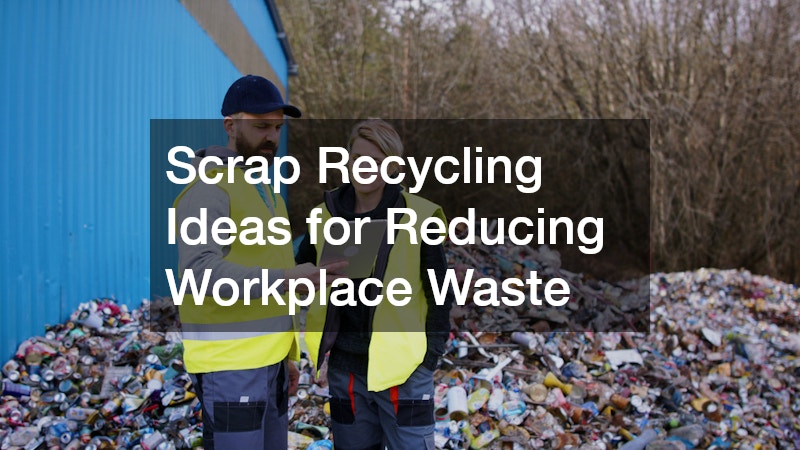
This article explores innovative scrap recycling ideas that can significantly reduce waste in the workplace, promoting a more sustainable and eco-friendly environment. Waste management is an ongoing challenge for businesses aiming to minimize their environmental footprint. By implementing effective recycling strategies, companies can transform their waste disposal processes into proactive environmental stewardship. Not only does effective scrap recycling support sustainability goals, but it also provides financial and operational benefits.
This comprehensive guide will offer insights and practical solutions for integrating recycling initiatives into everyday workplace practices.
What Are the Best Practices for Collecting Scrap Materials?
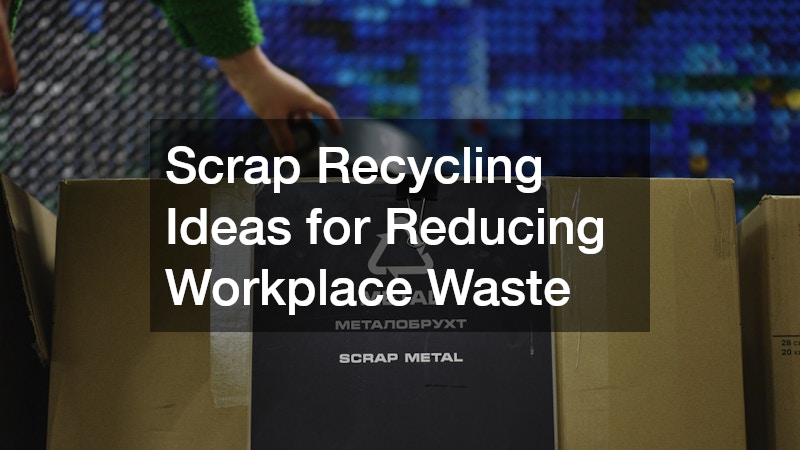
Effective scrap material collection begins with organizing a system that is easy for employees to understand and follow. Companies can place clearly marked bins in strategic locations to encourage waste segregation by type, such as metals, paper, and plastics. Training employees on the importance and methods of sorting waste can also improve the success of recycling programs. Regular audits and feedback loops can help assess the efficiency of the process and identify areas for improvement. In essence, creating a structured approach to collecting scrap materials is crucial for maximizing recycling efforts.
The type of materials collected should align with the recycling capabilities of local processors to ensure that the maximum amount of material can be reused. Collaborating with local recycling centers can provide valuable insights into what materials are in demand and how best to prepare them for processing. Understanding the specific requirements of recyclables can also prevent contamination of waste streams, which might otherwise render them useless. This collaboration often helps in aligning business operations with environmental regulations. Therefore, maintaining a constant dialogue with recycling partners is essential for ongoing success.
How Can Scrap Recycling Save Money for Businesses?
Implementing a scrap recycling program can result in significant cost savings by reducing waste disposal fees and diminishing the need for landfill visits. When companies divert waste from landfills, they reduce the expenses associated with tipping fees and other waste management services. Additionally, selling recyclable materials can generate income, thereby offsetting costs related to waste management operations. By efficiently managing resources, businesses can strengthen their bottom line while supporting environmental goals. The economic benefits of recycling are thus integral to motivating companies to invest in long-term sustainability projects.
Recycling can also conserve energy, further reducing operational costs indirectly associated with manufacturing. Producing items from recycled materials often requires less energy compared to creating them from new raw materials. For example, making aluminum from recycled scrap uses up to 95% less energy than using bauxite ore. This conservation not only cuts utility bills but also contributes to lowering greenhouse gas emissions, aligning business operations with carbon reduction targets. Ultimately, these energy savings translate into substantial financial benefits for the business.
What Creative Projects Can Be Made from Recycled Scrap?
Recycling does not only preserve resources but ignites creativity through countless innovative projects. In offices, scrap materials can be transformed into functional items such as organizers, frames, and stationery items. For instance, recycled paper can be repurposed into notepads or cardholders, promoting a circular economy within the workplace. Metals and plastics can be creatively used in artwork or promotional items that also serve as discussion starters about sustainability. Encouraging creativity in recycling turns waste into valuable assets, demonstrating the innovative potential of eco-friendly initiatives.
Artistic undertakings present another avenue through which scrap recycling can flourish in a corporate environment. Employees can collaborate on mural projects using recycled materials, fostering teamwork and community spirit. Such initiatives not only beautify workspaces but also highlight a company’s commitment to sustainability and innovation. Through competitions or workshops, businesses can motivate employees to share their creative recycling ideas. These collaborative projects not only use otherwise wasted materials but also cultivate an inspiring workplace culture encouraging creativity and environmental responsibility.
How Can Employees Be Encouraged to Participate in Recycling Programs?
To foster a culture of recycling at work, it’s crucial to instill a sense of ownership and responsibility among all employees. Educational programs focusing on the environmental and financial impacts of recycling can help clarify its benefits, motivating employees to commit to sustainable practices. Regular workshops or training sessions can keep staff updated on best practices and innovations in recycling. Recognition programs and incentives, such as green awards or eco-friendly giveaways, can further stimulate employee engagement and participation. Thus, fostering an inclusive environment where everyone values recycling is key to creating an effective program.
Implementing scrap recycling ideas not only helps reduce workplace waste but also enhances the company image and promotes a sustainable future. The integration of organized collection processes, financial savvy, creative projects, and employee engagement forms the backbone of a successful recycling strategy. These efforts foster a culture of environmental awareness and responsibility within the business context. By adopting these practices, businesses can make meaningful contributions to environmental conservation while reaping multiple economic and social benefits. Ultimately, investing in scrap recycling is an investment in both the planet and a company’s continued prosperity.