
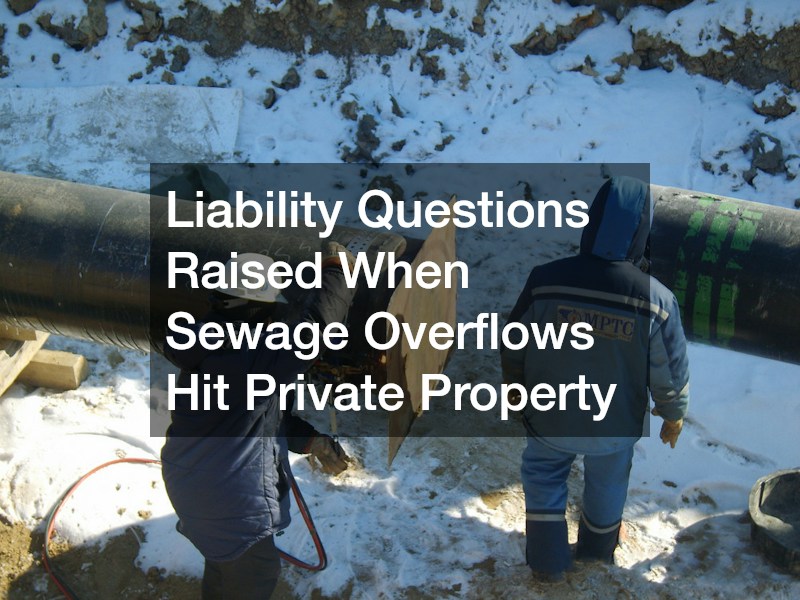
A sewage backup on your property is more than a foul-smelling mess—it can mean damaged floors, contaminated belongings, and a confusing tangle of who is actually responsible for cleanup and repair costs. Many homeowners assume their city or water utility will automatically cover the damage, only to discover that liability depends on where the blockage occurred and what caused it. Understanding the basic rules around sewage overflow responsibility can save you time, money, and frustration if you ever find yourself dealing with this unpleasant situation. This article breaks down the key factors that determine liability and what steps you should take to protect yourself.
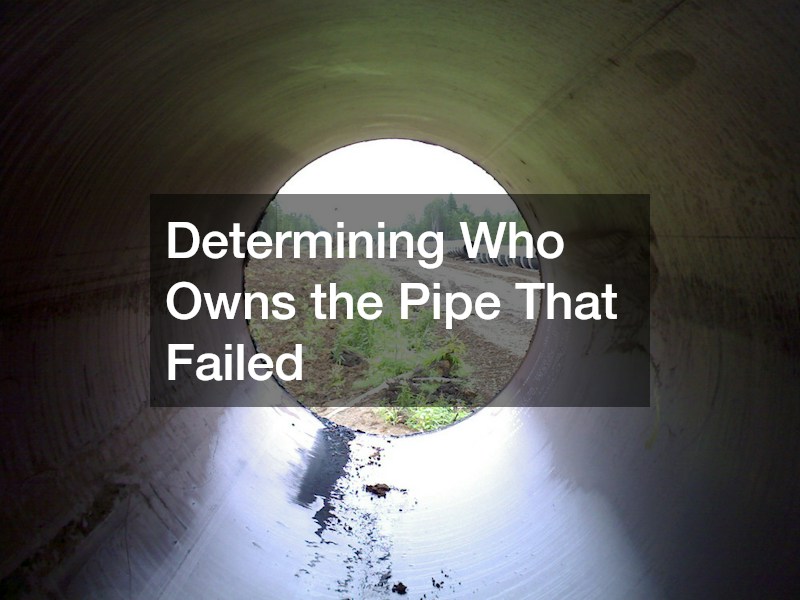
Determining Who Owns the Pipe That Failed
The single biggest factor in any sewage overflow liability claim is pinpointing which section of pipe actually failed. Most municipalities draw a clear line at the property boundary or the connection point called the lateral, with everything on the street side considered public infrastructure and everything running toward your house considered private responsibility. If the blockage originated in the city-owned main line, the municipality typically bears responsibility for damages. If it started in your own lateral line, you are usually on the hook for repairs and cleanup costs.
This distinction sounds simple in theory but gets complicated quickly in practice. Tree roots, aging pipes, and grease buildup can create blockages that span both public and private sections, making it hard to assign blame to just one party. A professional inspection with a camera scope is often the only reliable way to determine exactly where the failure happened before any liability claim can move forward.
- Check your local municipal code for the exact property line definition used in your area
- Request documentation showing where public infrastructure ends and private lines begin
- Keep records of any prior plumbing work done on your side of the connection
- Ask your utility provider for a copy of their sewer system map if one is available
Reviewing Municipal Notification and Maintenance Records
Cities and utility districts are generally required to maintain their sewer systems and respond to known problems within a reasonable timeframe. If a municipality knew about a recurring blockage or deteriorating pipe and failed to act, that negligence can shift liability toward the city even if the overflow technically surfaced on private property. Public records requests can reveal whether complaints were filed about the same stretch of pipe before your incident occurred.
Many municipalities also operate pumping equipment and lift stations that move wastewater through low-lying areas where gravity alone cannot carry it to treatment facilities. When lift stations malfunction or lose power during a storm, the resulting backup can affect dozens of properties at once, and the pattern of widespread damage often points directly to a public infrastructure failure rather than an isolated private pipe issue. Documenting whether neighbors experienced similar problems at the same time can strengthen a claim against the responsible agency.
- File a public records request for maintenance logs on the affected sewer line
- Note the date and time your overflow began, including any weather events
- Ask neighbors whether they experienced backups during the same window
- Look for news reports or utility alerts about system failures in your area
Filing a Claim With Your Homeowners Insurance Policy
Standard homeowners insurance policies typically exclude sewage backup damage unless you have purchased a specific endorsement or rider for it. This surprises many homeowners who assume their general water damage coverage extends to sewage incidents, but insurers treat backups as a distinct and separately priced risk. Before an overflow ever happens, it is worth calling your insurance agent to confirm exactly what your policy covers and whether adding backup coverage makes sense for your budget.
If you do have coverage, prompt and thorough documentation makes a major difference in how smoothly your claim gets processed. Photograph the affected areas before you touch anything, keep damaged items for adjuster inspection when possible, and get a written estimate from a restoration company as early as you can. Insurers will also want to know whether the cause was a private line failure or a municipal issue, since that can affect whether they pursue reimbursement from the city on your behalf.
- Review your policy declarations page for a sewage or water backup endorsement
- Take dated photos and video before cleanup begins
- Request an itemized damage estimate from a licensed restoration contractor
- Ask your insurer if they will subrogate against the municipality if applicable

Protecting Your Family From Health and Safety Risks
Beyond the question of who pays for damages, sewage overflows pose immediate health hazards that need to be addressed quickly. Raw sewage carries bacteria, viruses, and parasites that can cause serious illness through direct contact or airborne exposure during cleanup. Anyone in the household with a compromised immune system, young children, or pets should be kept away from the affected area until professional cleanup is complete.
Proper protective equipment and ventilation are non-negotiable when dealing with contaminated water, even for a seemingly small spill. Porous materials like carpet, drywall, and insulation that have been saturated with sewage usually cannot be sanitized and need to be removed and replaced entirely. Waiting too long to begin remediation also increases the risk of structural damage and mold growth, which adds another layer of cost and complexity to an already stressful situation.
- Avoid direct contact with affected water and surfaces without gloves and boots
- Ventilate the area and run fans only after confirming electrical safety
- Discard porous materials that absorbed contaminated water
- Schedule professional disinfection rather than relying on surface cleaning alone
Knowing When to Consult a Legal Professional
Most sewage overflow disputes get resolved through insurance claims or direct negotiation with a municipal utility, but some cases escalate when significant damage or repeated incidents are involved. An attorney experienced in property or municipal liability cases can help you understand whether a formal claim against the city is likely to succeed and what deadlines apply. Many local governments impose short notice periods for filing claims against them, sometimes as brief as thirty to ninety days, so acting quickly matters.
Legal consultation becomes especially important if a municipality denies responsibility despite evidence pointing to a public infrastructure failure. A lawyer can help gather expert testimony, request additional records, and negotiate on your behalf rather than leaving you to navigate a bureaucratic claims process alone. Even a single consultation can clarify whether pursuing further action is worth the time and expense involved.
- Ask about the statute of limitations for claims against your local government
- Request a case evaluation before any formal filing deadline passes
- Gather all documentation and photos before your first consultation
- Clarify fee structures upfront, since many offer free initial reviews
Sewage overflow liability rarely comes down to a simple answer, since it depends on pipe ownership, maintenance history, and the specific language in your insurance policy. Taking quick action to document the damage, contact your insurer, and research municipal responsibility puts you in a far stronger position than waiting and hoping the issue resolves itself. If you are currently dealing with an overflow or want to prepare before one happens, start by reviewing your insurance coverage and familiarizing yourself with your local utility’s reporting procedures today.
