

The roofing industry remains one of the most stable and profitable trades in 2026, offering abundant opportunities for skilled workers, entrepreneurs, and small business owners looking to establish or expand their careers. Demand for roofing services continues to grow as new construction projects rise, existing buildings age, and property owners prioritize high-quality, energy-efficient, and durable roofing solutions. Both residential and commercial sectors present consistent work, from single-family home repairs to large-scale condominium or industrial roofing projects, making the trade appealing to a wide range of professionals.
Entering this field requires more than just physical ability; it demands a combination of technical skills, strategic planning, and comprehensive industry knowledge. Contractors must understand different roofing materials, installation techniques, safety protocols, and local building codes to deliver high-quality results. Additionally, business skills such as project management, client communication, estimating, and marketing are crucial for long-term success.
In this guide, we’ll provide a thorough roadmap for aspiring roofing professionals, covering everything from hands-on skills to business development strategies. You’ll learn how to navigate residential and commercial markets, form essential partnerships, manage projects efficiently, and diversify services to build a thriving, sustainable roofing business.
Understanding the Industry Landscape

The first step to building a successful roofing career is understanding the current landscape of the industry. Roofing is more than installing shingles or repairing leaks; it’s a complex industry that spans residential, commercial, and industrial markets. Homeowners continue to seek reliable services for roof replacements, maintenance, and repairs, while commercial clients, such as condominium associations and property management companies, are consistently looking for contractors who can handle larger-scale projects with precision and efficiency.
Market growth in 2026 has been driven by several factors. Aging infrastructure across the U.S. has increased the demand for replacement roofing. Climate considerations, including extreme weather and storms, also contribute to the need for durable and well-installed roofing systems. New construction projects, from residential developments to industrial facilities, create consistent opportunities for contractors who can provide quality service on time and within budget.
Additionally, being a roofing contractor requires awareness of local building codes, material standards, and safety regulations. Many new entrants underestimate the importance of proper licensing and certifications, which are critical to establishing credibility and securing larger contracts. For those willing to invest time in understanding these aspects, the trade offers significant long-term earning potential.
Learning the Essential Skills for Success
Success in roofing requires more than physical ability. The trade demands a combination of technical knowledge, problem-solving capabilities, and client management skills. Those who develop these skills early are more likely to gain repeat business and secure profitable contracts.
-
Master core installation techniques for different roofing types, including asphalt shingles, metal roofing, and flat roof membranes.
-
Understand how to work safely at heights and comply with OSHA standards to protect both yourself and your crew.
-
Develop project management skills, including scheduling, cost estimation, and supply chain coordination.
-
Learn to assess existing structures to determine whether repairs, replacements, or upgrades are necessary.
-
Gain proficiency with tools and technology used in roofing, from nail guns and ladders to drone inspection software.
-
Familiarize yourself with siding contractors and other trades that frequently collaborate with roofing projects to ensure seamless integration of services.
Networking with experienced roofing contractors can accelerate skill acquisition. Consider apprenticeships or shadowing opportunities to gain hands-on experience in real-world scenarios. These experiences are invaluable in helping you understand client expectations, material limitations, and the pace required to complete jobs efficiently.
Specializing in Residential Roof Projects
Residential roofing offers a steady stream of projects, from routine maintenance to full replacements. Focusing on residential services allows contractors to build strong local reputations and cultivate long-term client relationships. Single-family homes, townhouses, and mobile homes all require specific approaches to installation and repair.
Mobile home roof repairs, for example, present unique challenges. Unlike traditional houses, mobile homes often have flat or slightly pitched roofs that are more prone to leaks and water damage. Specialized materials such as EPDM rubber or modified bitumen membranes are common for these roofs. Contractors must be adept at installing these materials and addressing common vulnerabilities, such as flashing around vents and seams. Knowledge of local mobile home regulations and manufacturer recommendations is also essential to ensure compliance and guarantee long-term results.
In addition to mobile homes, standard residential roofs require familiarity with asphalt shingles, clay tiles, and metal panels. Contractors should also understand proper ventilation and insulation practices to prevent energy loss and moisture accumulation. Offering preventive maintenance programs, such as seasonal inspections and minor repairs, can also generate steady revenue while reinforcing client trust.
Navigating Commercial and Multi-Unit Roofing
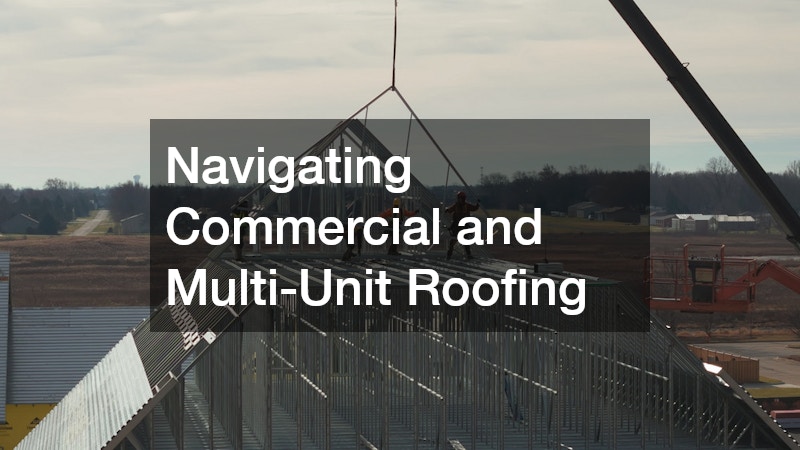
Commercial roofing requires a higher level of planning, technical expertise, and organizational skills compared to residential work. Multi-unit properties like condominiums, apartment buildings, and office complexes involve multiple stakeholders and often require competitive bids.
-
Learn how to prepare detailed condo roofing bids that account for labor, materials, permits, and contingencies.
-
Understand the differences between low-slope, flat, and multi-pitch commercial roofing systems, including membrane options and protective coatings.
-
Develop negotiation skills to manage contracts with property managers and homeowner associations.
-
Establish relationships with suppliers to ensure timely delivery of materials for large-scale projects.
-
Keep detailed documentation of project timelines, costs, and inspections to prevent disputes and maintain transparency with clients.
-
Implement safety protocols that account for larger work areas, rooftop equipment, and higher foot traffic during construction.
Success in commercial projects can significantly boost a contractor’s revenue and reputation. Unlike residential jobs, where repeat customers are the primary source of work, commercial clients can provide larger, ongoing contracts, particularly if you demonstrate reliability, efficiency, and professionalism.
Partnering with Material Suppliers and Fabricators
Building strong relationships with material suppliers and industrial partners is critical for both cost management and project quality. Working closely with an industrial metal fabricator can offer access to custom metal roofing panels, trims, and flashing designed to meet unique project requirements.
Understanding the capabilities and limitations of your fabricator allows contractors to plan projects more efficiently. For example, custom metal pieces can be pre-fabricated offsite, reducing installation time and minimizing on-site errors. Contractors should visit supplier facilities when possible to see quality standards firsthand and understand production lead times.
Material partnerships are also a hedge against supply chain disruptions. Establishing multiple sources for shingles, membranes, metal panels, and fasteners can prevent delays in peak seasons. Additionally, leveraging supplier expertise can help identify innovative materials and installation techniques that differentiate your business from competitors.
Working with Asphalt and Traditional Roofing Materials
Asphalt roofing remains one of the most common and cost-effective options in residential and light commercial markets. Contractors who specialize in this material often find consistent demand and recurring business opportunities.
-
Gain proficiency in installing asphalt shingles, including layout planning, nailing patterns, and sealing techniques.
-
Learn how to identify and address common issues such as blistering, curling, and granule loss.
-
Understand the cost factors of asphalt roofing, including shingle quality, underlayment options, and warranty considerations.
-
Coordinate with asphalt contractors to handle larger-scale jobs efficiently and ensure proper drainage.
-
Maintain a stock of essential tools and equipment, from roofing nailers to tear-off shovels, to streamline installation.
-
Keep up with innovations in traditional roofing materials, including impact-resistant and energy-efficient shingles.
Mastering asphalt and other conventional materials provides a solid foundation for entering the roofing trade. These skills are often transferable to other roofing types and create opportunities for offering maintenance and repair services.
Equipment Essentials for Efficient Job Management

Having the right equipment is critical for both safety and efficiency on roofing projects. A utility trailer is one of the most versatile tools a contractor can own, allowing for secure transport of materials, tools, and smaller machinery. Well-organized trailers reduce downtime by keeping all necessary equipment accessible and protected from the elements.
Investing in quality ladders, scaffolding, harnesses, and roofing nailers is equally important. Proper maintenance of this equipment not only prolongs its lifespan but also ensures safe operations for you and your crew. Efficient material handling reduces project timelines and can improve profitability by allowing you to complete more jobs in less time.
For contractors managing multiple projects simultaneously, a mobile office or portable storage solution attached to a utility trailer can serve as a central hub for scheduling, documentation, and crew management. Such setups increase professionalism and client confidence while streamlining daily operations.
Leveraging Heavy Equipment for Complex Jobs
Some roofing projects require machinery beyond ladders and scaffolding. Heavy equipment, like cranes, can make difficult installations safer and faster.
-
Determine which projects necessitate crane rental, such as large commercial roofs or heavy metal panel installations.
-
Compare rental companies to find competitive pricing and reliable service.
-
Train crew members on proper crane operation and safety protocols.
-
Plan the timing and logistics of crane use to minimize rental costs and project delays.
-
Coordinate with local authorities if road closures or special permits are required for crane operation.
-
Incorporate crane planning into project bids to ensure accurate cost projections and profitability.
Using heavy equipment strategically not only improves efficiency but also expands the range of projects a contractor can undertake. It allows for safer handling of large panels and complex roof assemblies, making your business more versatile and competitive in the marketplace.
Expanding Services Beyond Roofing
Diversifying your offerings can create additional revenue streams and increase client retention. Many roofing contractors expand into complementary services such as HVAC installations, which are often needed during roofing projects.
Adding these services requires proper licensing, training, and careful project coordination. Contractors who integrate these offerings can provide a one-stop solution, appealing to homeowners and commercial clients who prefer minimal subcontractor involvement.
By cross-training your team in HVAC or more general electrical work, you reduce dependency on third-party contractors while increasing efficiency. Marketing a broader suite of services positions your business as a comprehensive home improvement partner, which can lead to larger contracts and higher customer satisfaction.
Building a Reputation and Growing Your Business

Sustainable growth in the roofing business depends on reputation, reliability, and visibility. Establishing a credible brand requires consistent quality, professionalism, and attention to client needs.
-
Invest in certifications and training programs to demonstrate expertise and differentiate your business from competitors.
-
Leverage client testimonials and project portfolios to showcase completed work.
-
Maintain strong relationships with subcontractors, suppliers, and industry peers to access new opportunities.
-
Offer service contracts, seasonal maintenance, and emergency repair options to encourage repeat business.
-
Develop marketing strategies tailored to both residential and commercial clients, using local SEO, social media, and community engagement.
-
Track business metrics, including project completion times, customer satisfaction, and profitability, to identify areas for improvement and growth.
A strong reputation combined with strategic marketing and operational efficiency is essential for scaling your roofing business in 2026. Contractors who focus on both technical skill and business acumen will thrive in this lucrative trade.
Entering the roofing trade in 2026 presents a unique and promising opportunity for individuals who are both skilled and committed to building a lasting career. The industry continues to experience steady demand due to a combination of new construction, aging homes, and commercial properties requiring upgrades or repairs. For those willing to invest in developing essential skills—ranging from precise installation techniques to safety protocols and project management—there is potential to handle a wide variety of projects with confidence and professionalism.
Success also depends on a thorough understanding of both residential and commercial markets. Residential projects offer repeat clients and community-based referrals, while commercial contracts provide larger-scale opportunities with consistent revenue potential. Leveraging strong partnerships with material suppliers, fabricators, and other trades not only streamlines operations but also ensures access to quality resources and expertise. Diversifying services to include related offerings such as maintenance programs, repairs, or complementary trades can further increase profitability and market appeal.
With careful planning, investment in the right tools and equipment, and an unwavering commitment to quality and client satisfaction, new contractors can carve out a strong presence in this competitive but rewarding industry. Those who combine technical skill with strategic business practices can achieve sustainable growth, build a positive reputation, and enjoy both financial stability and professional fulfillment.
