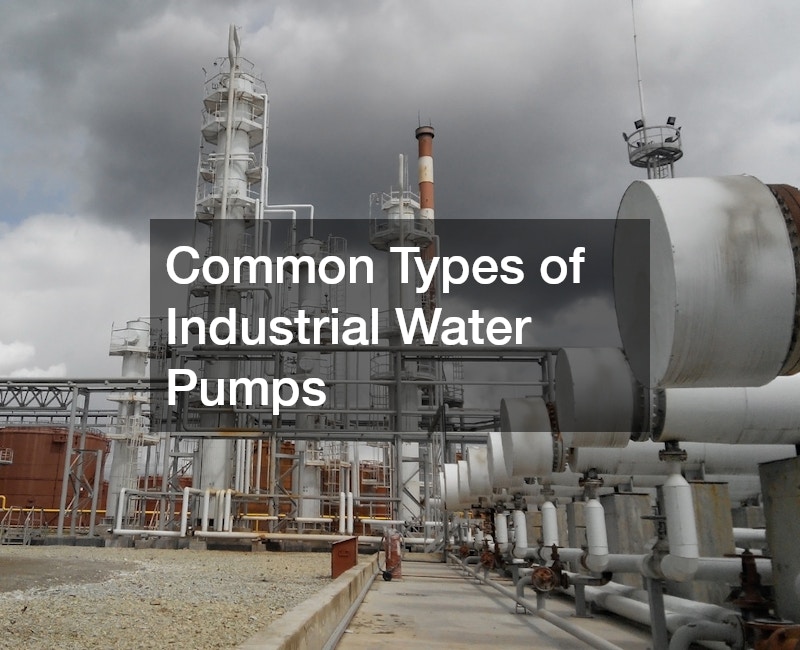
Water pumps play a vital role in countless industries, from manufacturing and energy production to wastewater treatment and agriculture. Each industrial application requires a specific type of pump engineered to handle different volumes, materials, and flow pressures. When a pump fails, operations can grind to a halt—making reliable equipment and access to expert industrial pump repair services essential. Whether you’re planning a system upgrade or dealing with a malfunction, understanding the common types of industrial water pumps can help you make informed decisions for your facility.
Centrifugal Pumps
Centrifugal pumps are among the most widely used in industrial settings due to their simplicity and efficiency. These pumps use a rotating impeller to transfer energy to the water, increasing its velocity and directing it through the pump outlet. They are ideal for applications requiring high flow rates and low-viscosity fluids, such as water supply systems, cooling systems, and wastewater treatment plants.
Single-stage centrifugal pumps handle general tasks, while multi-stage models are used when higher pressure is needed. Despite their widespread use, centrifugal pumps are sensitive to flow fluctuations and can suffer from cavitation if improperly installed. Routine maintenance and timely industrial pump repair help extend their service life and prevent costly downtime.
Positive Displacement Pumps
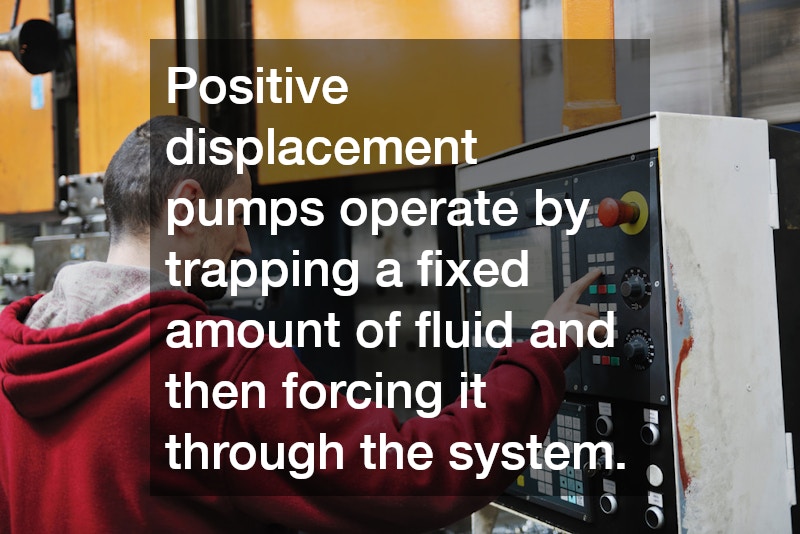
Positive displacement pumps operate by trapping a fixed amount of fluid and then forcing it through the system. These pumps are highly effective for moving viscous or slurry-like fluids and are preferred when precise flow rates are necessary.
There are two main subcategories: rotary and reciprocating. Rotary pumps include gear, screw, and vane types, which are commonly used for oil, chemicals, and thick fluids. Reciprocating pumps, like piston or diaphragm types, are often found in high-pressure applications such as hydraulic systems or food processing.
Because positive displacement pumps operate under high stress, they are prone to wear and require frequent inspection. Ensuring access to skilled industrial pump repair professionals is crucial for minimizing disruptions in production.
Submersible Pumps
Submersible pumps are designed to operate while completely submerged in the fluid they’re pumping. This makes them particularly effective for dewatering, sewage treatment, and mining applications where water must be removed from deep or flooded areas.
These pumps are sealed to prevent fluid intrusion and are often built with heavy-duty materials to withstand harsh conditions. Submersible pumps tend to be more energy-efficient than non-submerged alternatives because they avoid air entrapment. However, their underwater location can complicate maintenance, so having a reliable industrial pump repair provider is key for ensuring quick recovery when problems arise.
Vertical Turbine Pumps
Vertical turbine pumps are used in settings where large volumes of water need to be moved from deep wells or reservoirs. They are commonly found in municipal water plants, irrigation systems, and power plants. These pumps consist of a motor above ground that drives impellers below the water surface via a long vertical shaft.
Known for their high efficiency and space-saving design, vertical turbine pumps are ideal for transporting clean or lightly contaminated fluids over long distances. However, these systems require careful alignment and precise installation to avoid premature wear. Due to the complexity of the design, professional industrial pump repair services are often needed for maintenance and troubleshooting.
Diaphragm Pumps
Diaphragm pumps use a flexible membrane that moves back and forth to draw fluid in and push it out. These pumps are especially valuable for handling corrosive, abrasive, or hazardous liquids because the diaphragm creates a tight seal, preventing fluid leakage.
Common in chemical processing, pharmaceuticals, and wastewater treatment, diaphragm pumps are self-priming and capable of dry running without damage. They require fewer moving parts, which often translates to lower maintenance needs—but like all equipment, they still benefit from scheduled inspections and access to industrial pump repair when seals or diaphragms begin to degrade.
Peristaltic Pumps
Peristaltic pumps, also known as hose or tube pumps, operate by compressing a flexible tube to push liquid through it. This design ensures the fluid only contacts the interior of the tubing, making it ideal for sterile or highly corrosive fluids.
Industries like biotechnology, food and beverage, and wastewater treatment frequently use peristaltic pumps for their simplicity and contamination-free operation. Tubing must be replaced periodically, and wear from continuous use is expected. Fortunately, these pumps are relatively easy to maintain, and when issues arise, they can typically be addressed with basic industrial pump repair techniques.
Jet Pumps
Jet pumps use a combination of high-pressure fluid and vacuum to draw water from deep sources. These pumps are often found in agriculture and remote industrial locations where electrical power may be limited. Although not as energy-efficient as other types, jet pumps are valued for their simplicity and ability to operate in rugged environments.
Over time, jet nozzles and diffusers can wear down, reducing performance. These components require regular cleaning and, when necessary, replacement. Reliable industrial pump repair ensures these systems remain functional, especially in critical settings like irrigation or rural water supply.
Each type of industrial water pump serves a distinct purpose, and choosing the right one can dramatically impact the efficiency and reliability of your operations. From centrifugal and diaphragm pumps to submersibles and turbines, knowing how each works—and how they’re maintained—can help you minimize downtime and extend the life of your equipment.
Industrial pump repair services are essential to this process. A proactive maintenance strategy and access to experienced technicians ensure your systems stay operational even under demanding conditions. With the right pump and the right support, your industrial facility can run smoothly, safely, and cost-effectively for years to come.