
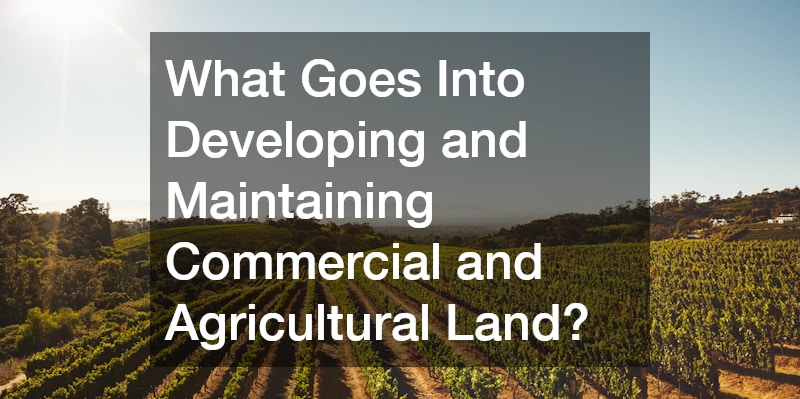
Developing and maintaining commercial and agricultural land requires far more than simply purchasing property and starting construction. Whether the goal is to build a productive farm, establish a commercial facility, improve rural acreage, or maintain a mixed-use property, successful land development depends on careful planning, environmental awareness, engineering expertise, and long-term management strategies.
Modern land projects involve many moving parts, from surveying and drilling to infrastructure design and ongoing maintenance. Landowners, developers, and investors often rely on specialized professionals to ensure every phase of the project is handled correctly and complies with local regulations. Services such as farm survey companies, civil engineering firms, drilling contractors, and property management professionals all play an important role in transforming undeveloped land into a functional and profitable property.
Understanding the Purpose of the Land
Before any physical work begins, developers must first determine how the land will be used. Agricultural properties often require irrigation systems, access roads, drainage planning, and soil testing. Commercial developments may need parking lots, utilities, office space, storage areas, and stormwater management systems.
The intended use of the property influences every future decision. For example, farmland may prioritize water access and soil conditions, while commercial land may focus more heavily on traffic flow, utility infrastructure, and zoning compliance.
This early planning stage is also when landowners typically begin working with professionals who can evaluate the site and provide recommendations for development. Decisions made during the earliest stages of planning often determine whether a project stays on budget and avoids expensive setbacks later.
The Importance of Accurate Land Measurements

One of the first steps in any successful project is understanding the physical characteristics of the property. This is where farm survey companies and land surveying specialists become essential.
Surveying professionals help establish property boundaries, identify elevation changes, locate easements, and determine how the land can best be utilized. Without accurate measurements, developers risk building in restricted areas or encountering expensive legal disputes later.
A topographic survey is especially important because it provides detailed information about the natural and man-made features of the land. These surveys identify slopes, drainage patterns, trees, structures, and elevation changes that may affect construction or agricultural operations.
For agricultural landowners, proper surveying can improve irrigation planning, fencing placement, and crop management. For commercial developments, surveys help guide building placement, parking layouts, and utility installation.
Modern surveying technology has also improved project accuracy dramatically. Drone mapping, GPS-guided equipment, and digital imaging systems allow professionals to collect highly detailed information faster than ever before. This level of precision helps developers avoid mistakes and make more informed decisions throughout the project lifecycle.
Preparing the Property for Development
After the land has been surveyed, site preparation begins. This phase can involve clearing vegetation, improving drainage, grading surfaces, and removing environmental hazards.
One challenge many rural and undeveloped properties face is unwanted animal activity. Wildlife removal services are often necessary before construction or farming operations can safely begin. Animals such as raccoons, snakes, bats, rodents, or burrowing wildlife can damage structures, contaminate water supplies, and create safety concerns for workers.
Professional wildlife specialists help ensure the property is safe while also following environmental regulations regarding animal relocation and habitat protection.
In some cases, developers must also address wetlands, flood zones, or erosion concerns before moving forward with construction. Soil stabilization and drainage improvements may be required before heavy machinery can safely operate on the site.
Developers may additionally need to clear old foundations, abandoned fencing, overgrown brush, or unsafe structures that have been left behind from previous land use. Preparing the property thoroughly creates a stronger foundation for every future phase of development.
Engineering the Infrastructure
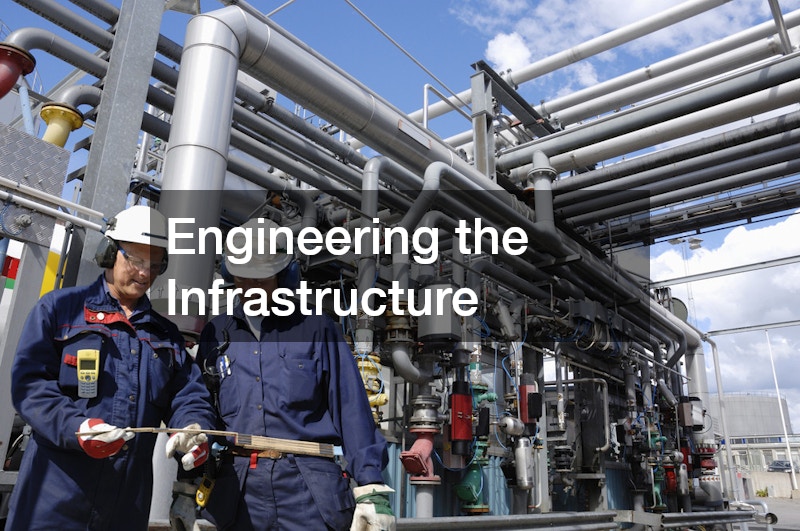
Once the site is cleared and evaluated, the focus shifts toward infrastructure planning. Civil engineering professionals play a major role in designing systems that allow the property to function safely and efficiently.
Civil engineering services may include drainage system design, road and driveway planning, utility infrastructure, stormwater management, soil stabilization, foundation preparation, retention ponds, and agricultural water systems.
Commercial developments often require more extensive engineering because they must handle higher traffic volumes and comply with stricter building regulations. Agricultural properties may focus more heavily on irrigation systems, field access, and erosion prevention.
Civil engineers also help ensure projects comply with local building codes, environmental regulations, and zoning requirements. Their expertise helps reduce costly construction errors and long-term maintenance problems.
Strong infrastructure planning can also help protect a property from future environmental challenges. Flooding, soil erosion, heavy rainfall, and drainage failures can create major financial losses if systems are not designed correctly from the start. Engineers work to minimize these risks by designing durable systems that can handle changing conditions over time.
Managing Construction and Design Coordination
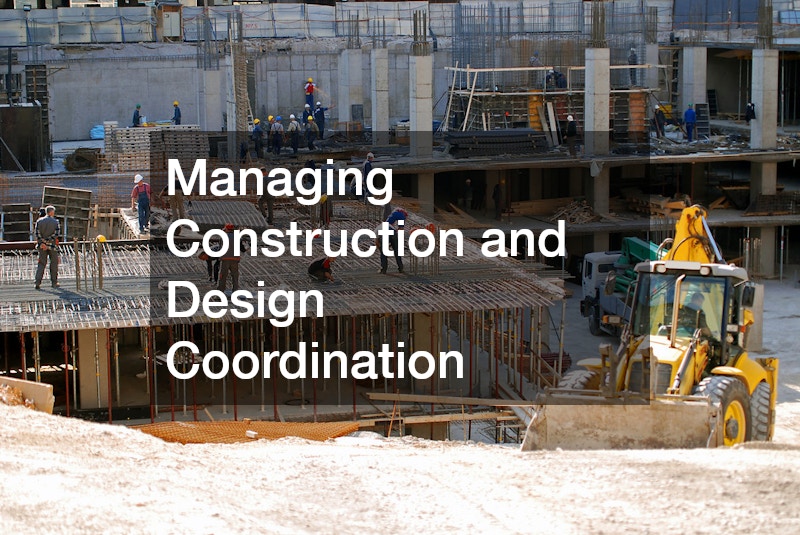
Large-scale projects typically involve multiple contractors, designers, engineers, and vendors working together simultaneously. Coordinating all these moving parts requires careful oversight and communication.
This is where an architectural project management service becomes extremely valuable. These professionals help organize timelines, manage budgets, coordinate contractors, and oversee project milestones.
Without strong project management, delays and cost overruns can quickly occur. Agricultural and commercial developments often involve overlapping phases of work, including utility installation, grading, drilling, and structural construction.
Project managers help ensure that each phase is completed in the proper order and that problems are addressed quickly before they affect the entire project timeline.
In addition, architectural management professionals help maintain communication between property owners, engineers, architects, and construction crews, creating a more efficient and organized workflow.
Experienced project managers also help anticipate potential challenges before they become major issues. Material shortages, weather delays, permit complications, and contractor scheduling conflicts are all common concerns during large development projects. Having someone oversee these details can significantly improve efficiency and reduce costly disruptions.
Water Access and Well Installation
Reliable water access is one of the most important components of both agricultural and commercial land development. Farms need dependable water supplies for crops and livestock, while commercial facilities may require water for daily operations, landscaping, sanitation, or industrial processes.
This is why many developers work closely with local drilling companies during the planning phase.
Drilling contractors assess groundwater availability, determine appropriate well locations, and install water systems that meet the property’s needs. The drilling process involves specialized equipment and expertise to ensure the well is safe, productive, and compliant with local regulations.
For agricultural properties, local well drilling services are especially important because farms often depend entirely on groundwater systems. Proper well placement can significantly affect water quality and long-term reliability.
Commercial properties may also require multiple wells depending on operational demands and future expansion plans.
In areas where municipal water access is limited or unavailable, a properly installed well system becomes one of the most valuable long-term assets on the property. Reliable water access can directly impact crop production, livestock health, employee operations, and tenant satisfaction.
Exploring Sustainable Energy Solutions
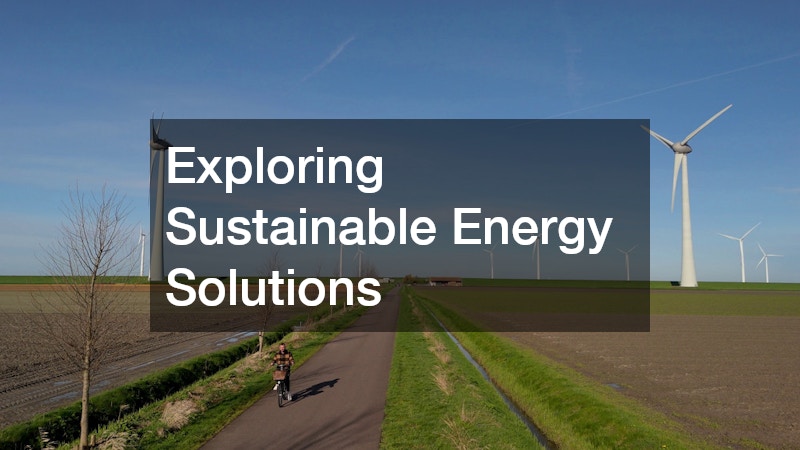
As energy costs continue to rise, many property owners are investing in renewable energy systems to reduce long-term expenses and improve sustainability.
One increasingly popular option is geothermal well drilling. Geothermal systems use underground temperatures to provide efficient heating and cooling for buildings. These systems are particularly beneficial for large agricultural operations, commercial facilities, office buildings, and mixed-use developments.
Although geothermal installation requires a larger upfront investment, the long-term energy savings can be substantial. Many developers view geothermal systems as a smart long-term infrastructure investment because they reduce utility costs and environmental impact.
Geothermal systems also tend to require less maintenance than traditional HVAC systems, making them appealing for commercial property owners who want greater energy efficiency and predictable operating costs.
Sustainability has become a major selling point for both commercial and agricultural developments. Businesses increasingly seek energy-efficient facilities, while agricultural operations benefit from reduced operating expenses and improved environmental stewardship. Renewable energy investments can also improve property value and appeal to environmentally conscious buyers or tenants.
Building Functional and Attractive Spaces
Successful land development goes beyond infrastructure alone. Developers also focus on creating spaces that are practical, visually appealing, and beneficial to the surrounding community.
Commercial developments often include landscaping, signage, outdoor gathering areas, and architectural enhancements that improve curb appeal and customer experience.
Agricultural properties may incorporate storage facilities, fencing, access roads, equipment buildings, and employee housing.
Some projects also include memorials and monuments as part of the overall design. These structures may honor local history, commemorate significant events, or serve as focal points within parks, cemeteries, public spaces, or institutional properties.
Memorial features can add cultural and aesthetic value to a development while helping preserve the identity and heritage of the local community.
Thoughtful design also improves functionality. Well-planned layouts can make a property easier to navigate, safer for visitors and workers, and more efficient for daily operations. Attention to aesthetics and usability often contributes to stronger long-term success.
Long-Term Property Maintenance
Completing construction is only the beginning of property ownership. Long-term maintenance is critical for preserving the value, safety, and functionality of commercial and agricultural land.
Many property owners rely on a professional property manager to oversee ongoing operations and maintenance responsibilities. Property managers help coordinate repairs, manage tenants, oversee landscaping, monitor utilities, and ensure the property remains compliant with local regulations.
Commercial developments may require ongoing oversight for lease agreements, building maintenance, security systems, parking lot repairs, and vendor coordination. Agricultural properties often involve irrigation maintenance, equipment scheduling, drainage inspections, fencing repairs, and seasonal upkeep.
Professional management services help landowners protect their investment while reducing the day-to-day burden of overseeing a large property.
Preventive maintenance is particularly important because small issues can quickly turn into major expenses if ignored. Drainage failures, well problems, structural damage, or neglected roadways can impact both safety and profitability. Consistent oversight helps extend the lifespan of infrastructure and equipment.
Environmental Responsibility in Modern Development
Environmental stewardship has become a major consideration in both agricultural and commercial land development. Developers are increasingly focused on reducing environmental impact while maintaining operational efficiency.
Sustainable development practices may include water conservation systems, energy-efficient buildings, native landscaping, erosion control, responsible drainage planning, wildlife protection measures, and renewable energy integration.
Environmental planning is particularly important for agricultural properties because soil health, water quality, and ecosystem balance directly affect long-term productivity.
Commercial developers also recognize that environmentally responsible projects often attract tenants, customers, and investors who value sustainability.
Government regulations and public expectations surrounding sustainability continue to evolve, making environmental planning a crucial part of future-focused development strategies.
Navigating Regulations and Permits
Every development project must comply with a wide range of local, state, and federal regulations. Permitting requirements vary depending on the location, property type, environmental conditions, and intended use of the land.
Developers may need approvals for grading, excavation, well drilling, stormwater systems, septic installation, utility connections, environmental impact assessments, commercial construction, and agricultural water usage.
Working with experienced professionals throughout the development process helps ensure all necessary approvals are obtained before construction begins.
Surveyors, engineers, drilling contractors, and project managers often assist property owners with documentation, inspections, and compliance procedures.
Regulatory compliance can be one of the most time-consuming aspects of development, especially for large commercial projects or environmentally sensitive land. Careful planning and professional guidance help prevent delays and legal complications.
Balancing Cost and Long-Term Value
One of the biggest challenges in land development is balancing initial construction costs with long-term operational value.
While it may be tempting to minimize upfront expenses, cutting corners during surveying, engineering, drilling, or construction can lead to significant problems later. Poor drainage systems, improperly installed wells, or inadequate infrastructure can create expensive repairs and operational disruptions.
Investing in quality planning and professional services often results in lower maintenance costs, improved efficiency, and stronger long-term property value.
Landowners who prioritize durable infrastructure and strategic planning are typically better positioned for future growth and profitability.
Financial planning is also important because development projects often evolve over time. Unexpected costs, market changes, and future expansion opportunities all affect long-term profitability. Developers who maintain flexibility in their planning process are often more successful in adapting to changing conditions.
Technology’s Growing Role in Land Development
Modern technology has significantly improved how commercial and agricultural properties are designed, built, and maintained.
Surveying professionals now use drones, GPS systems, and advanced mapping software to collect highly accurate land data. Civil engineers rely on digital modeling tools to simulate drainage patterns, traffic flow, and infrastructure performance.
Agricultural properties increasingly utilize automated irrigation systems, soil sensors, and remote monitoring technologies to improve efficiency and conserve resources.
Property managers also benefit from software platforms that streamline maintenance scheduling, tenant communication, financial tracking, and operational oversight.
As technology continues to evolve, landowners have access to more tools than ever before to improve productivity and reduce operating costs.
Looking Beyond the Dirt and Concrete
At first glance, commercial and agricultural land development may appear to revolve around construction equipment, permits, and infrastructure. In reality, successful development is about creating a property that can thrive for decades. Every survey, engineering plan, drilling project, and maintenance decision contributes to the long-term success of the land.
From the expertise provided by farm survey companies to the oversight of a professional property manager, each service helps transform raw land into a productive and sustainable investment. Civil engineering professionals create the structural foundation, local drilling companies establish reliable water systems, and architectural project management service providers coordinate the many moving parts that keep projects on track.
Meanwhile, modern priorities such as geothermal well drilling, environmental responsibility, and efficient land use continue to shape how developers approach future projects. Even details like wildlife removal and thoughtfully designed memorials and monuments contribute to the safety, appearance, and long-term value of a property.
Whether the land supports agriculture, commercial operations, public use, or mixed development, successful projects are built through careful planning, collaboration, and ongoing stewardship. The most successful developments are not simply constructed — they are continuously managed, improved, and adapted to meet future needs.
