
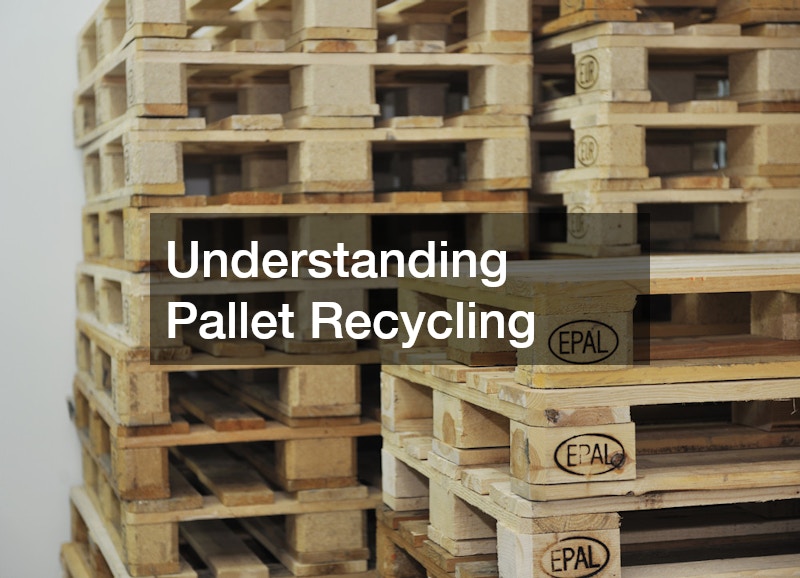
Pallets are everywhere, even if most people rarely stop to think about them. From grocery stores and warehouses to construction sites and manufacturing plants, pallets quietly keep supply chains moving. Over time, though, these workhorses wear down, break, or become surplus. That is where pallet recycling comes into play, offering a practical way to manage waste while supporting more responsible business practices.
Why Pallets Matter More Than You Think
Wood pallets are one of the most common shipping platforms in the world. They are designed to handle heavy loads, repeated movement, and long-distance transport.
Because of this, millions of pallets are in circulation at any given moment.
When pallets are discarded instead of reused, the impact goes beyond cluttered storage yards. Wood waste takes up space in landfills and contributes to unnecessary resource consumption. Recycling pallets helps extend the life of usable materials and reduces the demand for newly harvested wood.
What Happens During the Recycling Process
Pallet recycling is not just about breaking down old wood. It is a structured process that focuses on recovering value at every stage. While methods can vary, the general steps are fairly consistent.
- Collection and sorting: Used pallets are gathered from businesses, warehouses, and distribution centers. They are inspected and sorted based on condition.
- Repair and refurbishment: Many pallets only need minor fixes, such as replacing broken boards or reinforcing weak sections.
- Disassembly: Pallets that cannot be repaired are taken apart so individual boards can be reused.
- Material recovery: Damaged wood that cannot be reused is often ground into mulch or wood chips for landscaping or industrial use.This approach ensures that as little material as possible is wasted.
Environmental Benefits Worth Noticing
Recycling pallets offers clear environmental advantages. Each reused pallet reduces the need to cut down additional trees, which helps conserve forests and protect wildlife habitats. It also lowers the energy required to produce new pallets, since repairing or reusing existing materials is far less resource-intensive than manufacturing from scratch.
Another benefit is reduced landfill use. Wood pallets are bulky, and keeping them out of disposal sites helps free up space for waste that truly cannot be reused or repurposed. Over time, this contributes to better waste management at a community level.
Economic Advantages for Businesses
Beyond environmental considerations, recycling pallets can make financial sense. Many companies discover that recycling programs lower their overall operating costs. Instead of paying disposal fees, businesses may receive compensation for used pallets or save money by purchasing refurbished ones at a lower price than new units.
Using pallet recycling services can also improve logistics efficiency. Regular pallet pickup helps keep facilities organized and reduces safety risks associated with cluttered storage areas. For companies with sustainability goals, recycling pallets can also strengthen brand reputation and appeal to environmentally conscious customers.
Common Types of Recycled Pallets
Not all pallets are the same, and understanding the differences helps businesses choose the best option for their needs.
- Repaired pallets: These are previously used pallets restored to safe working condition.
- Rebuilt pallets: Made from a combination of salvaged boards and new materials.
- Custom pallets: Designed using reclaimed wood to meet specific size or load requirements.
Each type offers a balance between cost, durability, and intended use.
How Recycling Supports a Circular Economy
Recycling pallets fits naturally into a circular economy model, where products are kept in use for as long as possible. Instead of a one-time use followed by disposal, pallets move through multiple life cycles.
A pallet might begin as a new product, transition into a repaired unit, then be disassembled for parts, and finally be turned into mulch or fuel. This continuous loop minimizes waste and maximizes the value of raw materials.
Choosing the Right Recycling Partner
For businesses considering pallet recycling, selecting a reliable partner is important. A good provider should offer transparent processes, consistent pickup schedules, and clear quality standards for repaired pallets. Working with a trusted recycler ensures compliance with safety guidelines and helps maintain smooth operations.
It is also helpful to ask about reporting. Many recycling companies provide data on how many pallets were reused or how much waste was diverted from landfills, which can be valuable for internal tracking and sustainability reporting.
As sustainability becomes a larger focus across industries, pallet recycling is likely to grow in importance. Innovations in repair techniques, tracking systems, and material reuse continue to improve efficiency and reduce waste. Businesses that adopt responsible pallet practices now position themselves for long-term operational and environmental benefits.
Pallet recycling is not just a behind-the-scenes process. It is a practical solution that supports smarter resource use, cost savings, and a more sustainable supply chain. As awareness grows, more businesses are recognizing that small operational changes can create meaningful environmental impact. Choosing to recycle pallets helps companies operate responsibly while contributing to long-term industry sustainability.